
Governors Christina Lee Storm and Eric Shamlin discuss how emerging media transcends technology to influence all facets of creativity and shines a light on the future of television.
If you're seeking ways to connect with working television industry professionals, both in front of and behind the camera, joining our organization offers you unparalleled access, benefits and opportunities.
Learn more about Television Academy Membership
If you're ready to join, click below to start the application process.
Conversations with the elected representatives for each Academy peer group
Governors Christina Lee Storm and Eric Shamlin discuss how emerging media transcends technology to influence all facets of creativity and shines a light on the future of television.
Get to Know Our Science & Technology Governors
Click a name below to learn more about our peer-group leaders
Christina Lee Storm
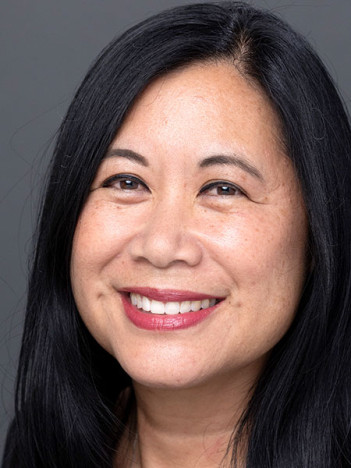
Briefly describe what you do.
I connect the dots between storytelling and technology — sometimes with duct tape, often with emerging tech, with generative AI for bold leaps, but always with heart.
What motivated you to become a governor?
I wanted to give a voice to the storytellers and innovators inventing the “next normal.” Becoming a governor felt like the right way to serve the Emerging Media community — and to ensure that creativity remains at the center of change.
What are some of your proudest accomplishments or credits?
I’m proud of helping create stories that made audiences laugh (Captain Underpants), sing (Trolls) and think (Life After Pi). I’m equally proud of partnering with visionary filmmakers at Netflix to bring virtual production into projects like Avatar: The Last Airbender and at DreamWorks Animation to pioneer VR, AR and immersive experiences — giving artists the chance to step inside worlds that had only ever existed in the imagination.
How do you stay informed about emerging trends and developments within your field, and how has that helped support your peer group?
I treat emerging trends like movie popcorn — I sample a little bit of everything, from AI film festivals to late-night white papers, and pass the best bites along to my peers. Staying endlessly curious (and maybe a little over-caffeinated) helps me turn complex tech shifts into clear, practical conversations so our Academy community can prepare, not panic.
What do you hope to accomplish for your peer group as a governor?
I want to create a peer group where members feel they belong, learn something new every time they show up and know they’re not facing this changing industry alone. That means growing our membership, so we stay vibrant and inclusive, offering educational opportunities that demystify emerging technologies and leading with clarity as we navigate a landscape that sometimes feels like it’s shifting under our feet. Part of that leadership has included guiding the Academy’s Key Considerations for Generative AI, helping to establish thoughtful standards. Hence, our members feel supported, not sidelined, as the industry evolves.
What do you like most about being a governor at the Television Academy?
I love being surrounded by peers who care as deeply about the craft as they do about the future. The conversations are candid, the collaboration is energizing and the sense of purpose — that together we are shaping not only the Academy but the entire industry — is what I value most.
Anything you would like to add?
If I could add one thing, it’s gratitude. Serving as governor during this era of transformation has been both humbling and exhilarating. Every day, I see how emerging technologies are reshaping the very foundation of our industry — and I also see how deeply our community values creativity, integrity and craft. That balance inspires me and reminds me why this work matters.
Eric Shamlin
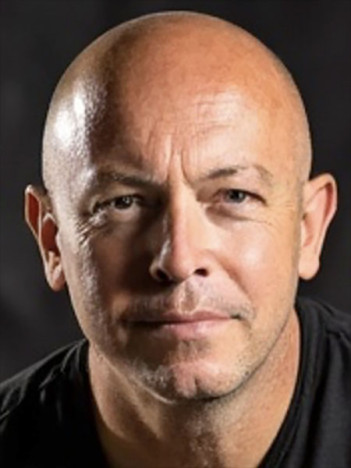
Briefly describe what you do.
I lead Secret Level, an AI-native studio reimagining how stories are developed, produced and experienced across television, film, advertising and immersive formats.
What motivated you to become a governor?
This industry is in a massive paradigm shift — AI, new formats and creator-driven tools are changing everything. I ran toward the fire. I became a governor to help bridge old and new, support creatives through disruption and ensure innovation serves artistry — not replaces it.
What are some of your proudest accomplishments or credits?
I’ve won Emmys, Peabodys and Cannes Lions, but what I’m most proud of is helping lead a generation of creators through the unknown. From pioneering VR and immersive storytelling to now helping the Academy (and industry) grapple with AI — it's been a career honor to play a small role in how industries evolve.
How do you stay informed about emerging trends and developments within your field, and how has that helped support your peer group?
I live at the intersection of technology and storytelling, so trend-watching is oxygen. I study start-ups, attend developer conferences, advise VC funds and experiment constantly in the studio. That keeps me fluent in what’s next — so I can translate, contextualize and demystify it for others in our field.
What do you hope to accomplish for your peer group as a governor?
I want to normalize experimentation. To help creatives understand how to co-create with AI rather than fear it. I want us to build community across disciplines — so that directors, technologists, showrunners and designers are all in the same sandbox, not siloed.
What do you like most about being a governor at the Television Academy?
The mandate to serve. It’s not about prestige — it’s about stewardship. I love being in the room where the future is shaped, where we can help the Academy evolve alongside the art and the artists it represents.
Anything you would like to add?
We’re in the early innings of a creative renaissance — and the Academy has the chance to lead, not lag. Emerging media isn’t fringe anymore; it’s where culture is increasingly born. As chair of the Innovation Standing Committee (formerly the AI Task Force), I’m pushing for the Academy to embrace innovation not just in technology, but in process, format and participation. We must celebrate not only where TV has been, but where it’s headed. This is our moment to ensure that artistry, ethics and innovation evolve together.