

When Jenny Han first published The Summer I Turned Pretty in 2009, the writer never anticipated the pop-culture ripple effect that her emotionally charged, coming-of-age romance would have more than a decade later.
"I wrote the first book in 2007, 2008," Han tells the Television Academy. "It was such a different landscape then." Though Hollywood expressed early interest in adapting the trilogy at the time, Han chose instead to hold on to the rights. That decision would later prove both creatively and financially lucrative: "I’m really glad I did, because then I was able to adapt it myself."
Han’s adaptation of her own material into one of Prime Video’s most popular (and addictive) shows has proven to be a resounding success. Since its premiere on the streamer in 2022, Summer has grown from a YA phenomenon into a multigenerational sensation; audiences seemingly can’t get enough of Belly (Lola Tung) and the years-spanning love triangle she finds herself in.
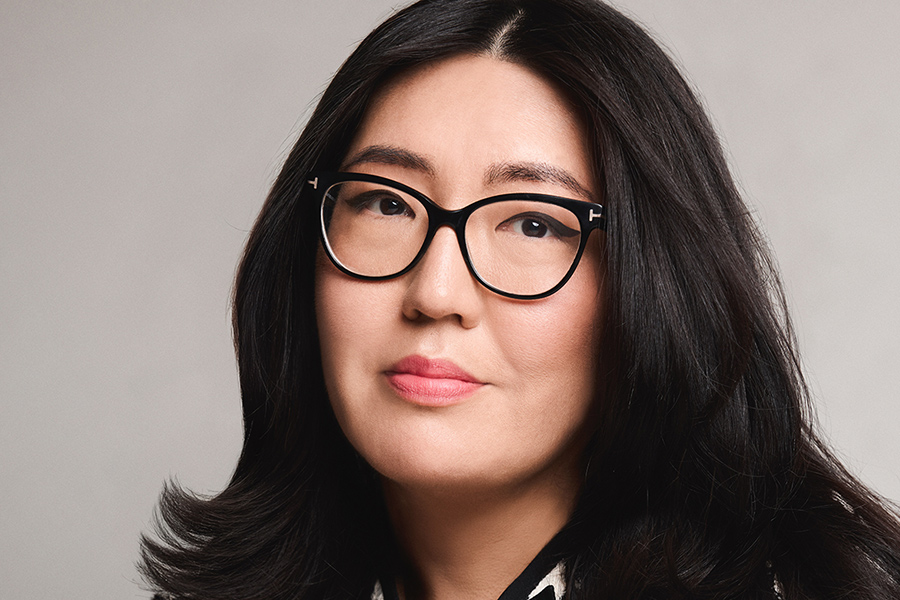 Jenny Han / Photo by Victoria Stephens
Han — Summer’s creator, co-showrunner and executive producer — credits that wide-ranging appeal to the layered, character-first storytelling. "I’ve always seen it as a cross-generational kind of show," she says. "You have people watching who remember what it was like to be young and in love for the first time — and then you have people experiencing it for the first time. You have Belly’s story, but you also have the story of the friendship between the mothers. There’s something there for everybody."
Now, with season three concluded, Han is preparing to bring the Summer saga to a close with a feature-film adaptation that she will also direct. The announcement that a movie was on the way excited many a fan this past summer, even as they were still reeling from the season finale’s emotional turns.
When Han announced that the ending to season three would diverge from the one that appears in the books, the passionate fanbase was understandably skeptical. The show, like its source material, sparks passionate feelings within its core fanbase. They dissect nearly every scene and then share their theories on social media while also proclaiming which side they are on in the Conrad (Christopher Briney) vs. Jeremiah (Gavin Casalegno) debate. But Han insists she does not write her scripts with the audience’s reaction at the forefront of her mind. "My North Star is always what I think is best for the story," she says. "There’s a balance you have to find — of giving the audience what they’re craving but also honoring what you feel is right creatively."
What also felt right for Han was making her television directorial debut in episode five, which largely unfolds from Conrad’s POV.
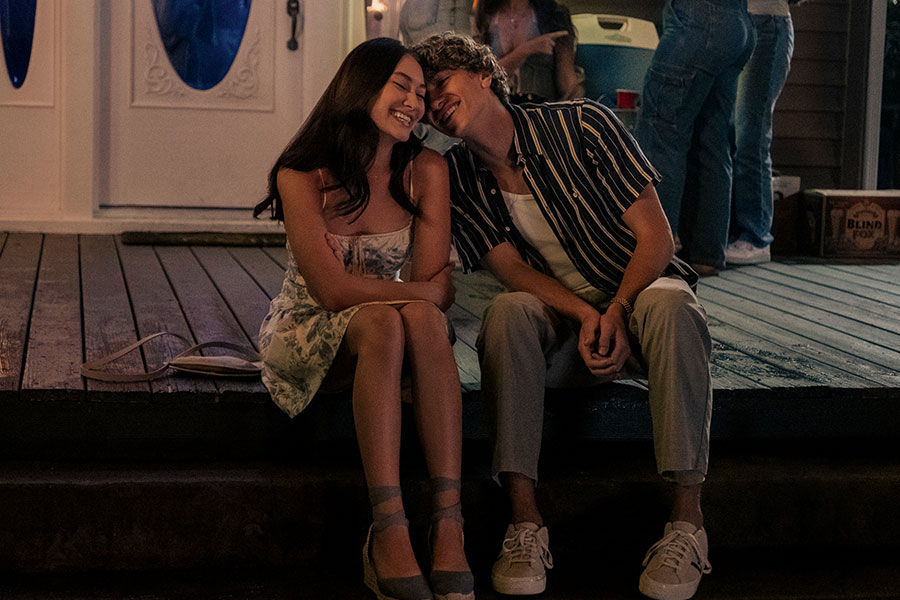
She deliberately chose that installment for its rich dramatization of iconic moments from the book — from the tender and famous “peaches scene” to a sequence of Belly and Conrad spending a pivotal day together. But more than that, the installment offered Han (and viewers) a chance to finally step inside Conrad’s head. "He’s a more insular character, one who has a lot going on in his brain but doesn’t necessarily speak a lot," Han explains. "I was really excited to give the audience that peek into his perspective."
That perspective shift was underscored by a notable change in the soundtrack. While TSITP is famous for its pop-driven needle drops (like the much-discussed inclusion of multiple Taylor Swift songs), episode five leaned on the classics from such artists as Otis Redding, The Jackson 5, Van Morrison, The Rolling Stones and Fleetwood Mac.
“Because the episode was from Conrad’s perspective, I wanted it to have a different sound,” Han says. “We were able to use music that we don’t normally use on the show, since it’s usually through Belly’s POV.”
What really helped sell the emotional complexity of the episode was Tung’s performance. Han vividly remembers being impressed by Tung's ability to make Belly both flawed and relatable.
"There’s a real light in her," Han says. “Belly is a character who makes a lot of mistakes, and it had to be someone the audience would keep rooting for. Lola has something that makes you want to root for her."
That rooting interest has fueled the online discourse season after season, with fans debating Belly’s choices and speculating about her reliability as a narrator. Han, though, gently pushes back on the "unreliable" label.
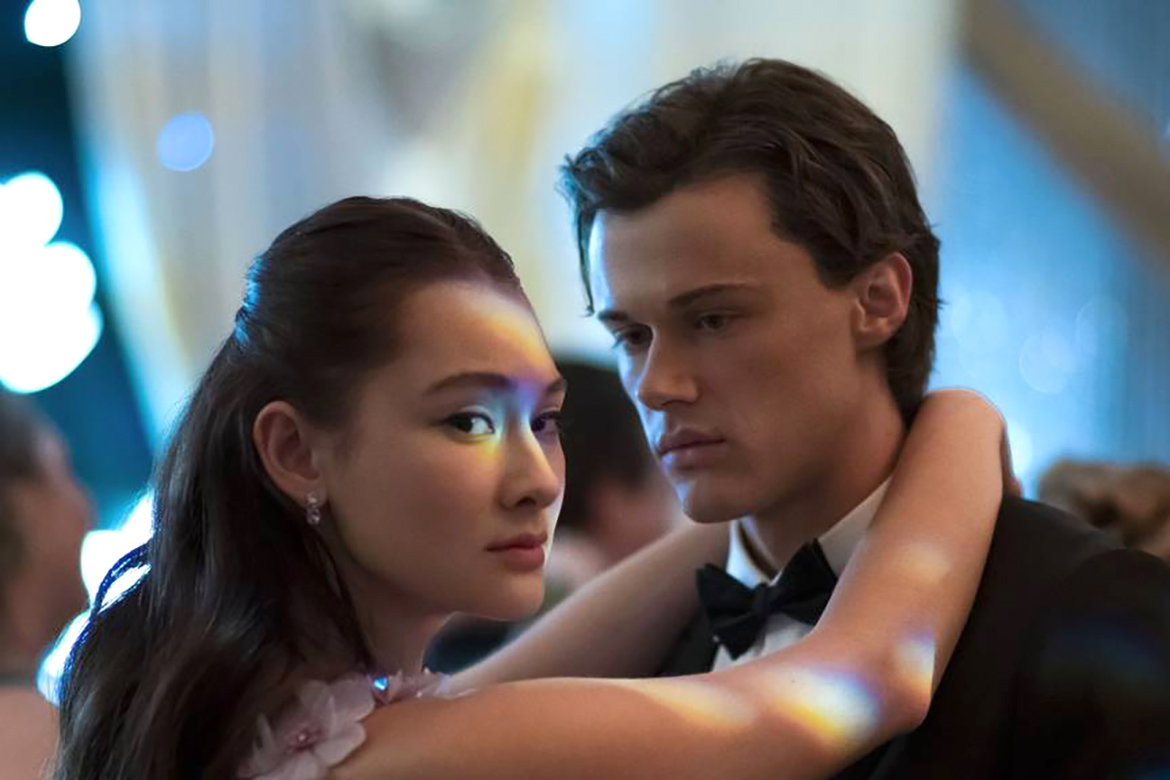
"I think she only has the perspective that’s available to her," Han explains. "We’re seeing it through her eyes. It doesn’t make her unreliable — just limited. It’s a perspective that’s really unique to her own experience."
If the leap from a serialized drama to a feature-length film finale sounds daunting, Han doesn’t flinch — and for good reason.
She’s no stranger to film, having shepherded Netflix’s To All the Boys I’ve Loved Before trilogy from page to screen. That experience, paired with the deep collaboration she has formed with her Summer I Turned Pretty cast and crew, has her feeling confident about her own future behind the camera and the keyboard.
"I’m most excited to be able to really sink into the story and do it justice," she says. "TV time can be limiting. With the movie, we can really tie a bow on it all and give the fans the ending they’ve been waiting for."
This interview has been edited for length and clarity.
The Summer I Turned Pretty is now streaming on Prime Video.