

It’s the “SportsCenter of tech!” Or is it the “CNBC of Silicon Valley”? How about “The dive bar of the internet”?
Whatever their inspiration, former Silicon Valley founders John Coogan and Jordi Hays have effectively melded their tech-bro backgrounds with their deep L.A. video production roots to create one of today's fastest-growing digital series, Technology Business Programming Network — or, as it’s far more widely known, TBPN.
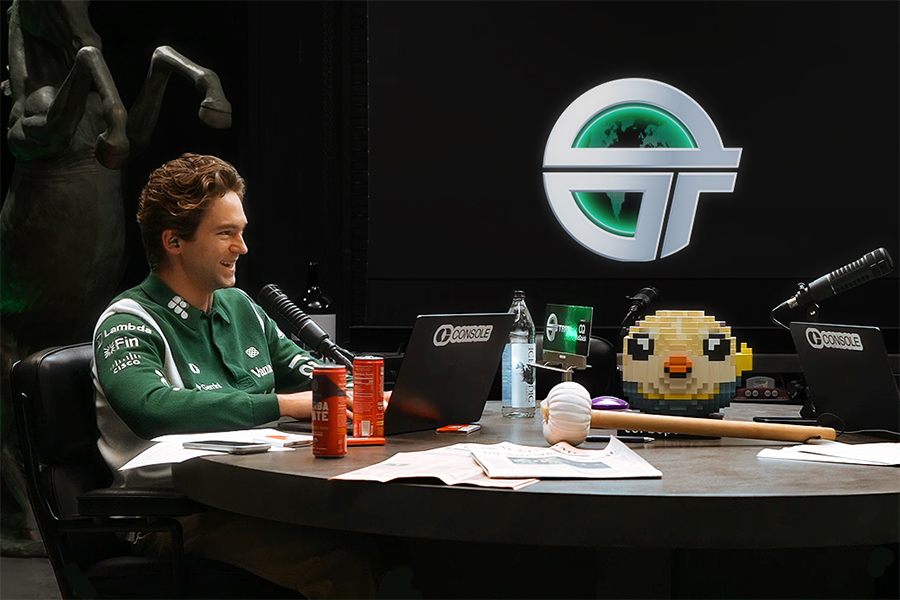
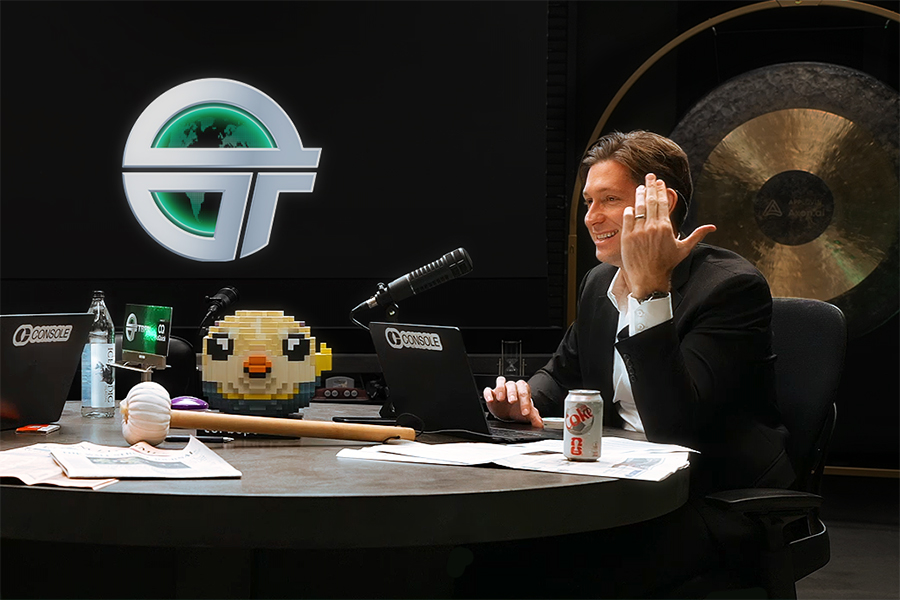
The thirtysomething L.A. residents produce a daily three-hour talk show from a dedicated studio, with production values far exceeding the familiar podcast-style format of two guys staring at computers in front of Yeti mics. The stream is available on YouTube and X.
This TV-like leveling up, Coogan and Hays’s deep knowledge of tech and global business, and a guest list that includes some of the biggest names in the digital realm have propelled TBPN in just 20 months to a premium list of 70,000 regular daily viewers filled with upper-echelon opinion shapers and decision makers.
TBPN's John Coogan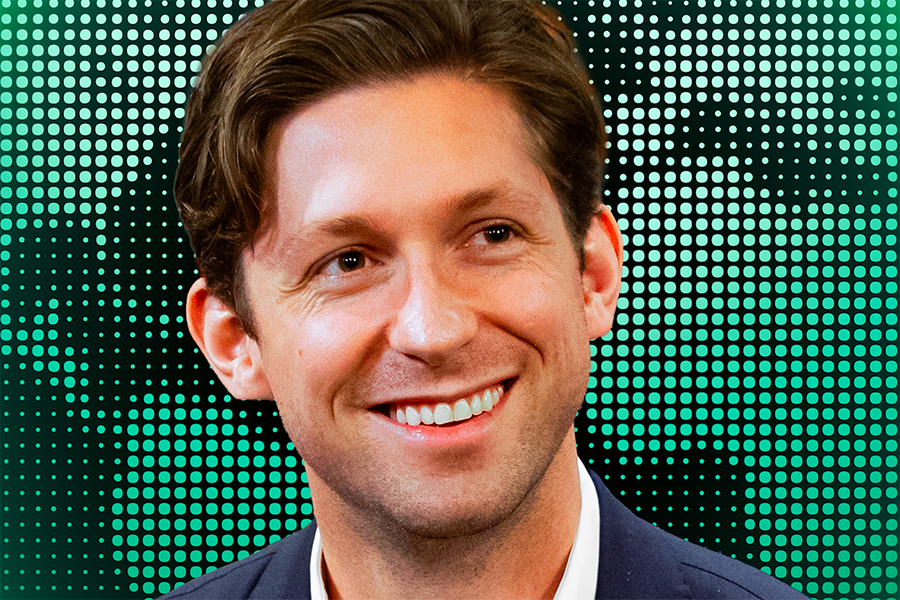
It’s also the reason why one of the behemoths of tech’s most top-of-mind sector, OpenAI, just acquired the onetime scrappy startup for a reported $100-125 million.
The Television Academy recently caught up with Coogan, a Pasadena native who founded the nutrition company Soylent as well as several other startups, right after one of his and Hays’s marathon live streams. Also on the call was TBPN president Dylan Abruscato, the former HQ Trivia executive who joined the team last year.
Television Academy: John, how did two Silicon Valley founders like you and Jordi end up so enthralled with producing … television?
John Coogan: Jordi and I were both settled with families in Los Angeles and interested in business and technology but not prepared to move to San Francisco and duke it out to hire the best software engineers. So, media was a unique intersection of our interests, our skill sets and our surroundings.
For all the think pieces that have been written about the decline of Hollywood, there’s still an incredible amount of talent here, and an incredible amount of resources. So many prop houses and shooting locations. And even though the number of shoot days for film and television has declined, there’s a very fast-growing creator economy that’s sort of picking up the slack at the lower end. There’s a lot of energy and a lot of passionate people here who just want to work on an interesting project where they can grow their skill set.
What’s interesting about our show is that we try and bring a lot of polish. We strive to create something that looks good enough for TV, but we don't have to deliver something that fits within a TV-shaped box. And that creates more flexibility, which creates more opportunity for creativity on the production side, creativity on the programming side. We know the rules, but we also know when to break them — or at least we’ve learned on a few occasions when to break them. And I think that’s been the key to just having a good time with it as we’ve grown the show.
It’s also created some opportunities on the monetization side. Dylan, I guess that’s where you come in.
TBPN president Dylan Abruscato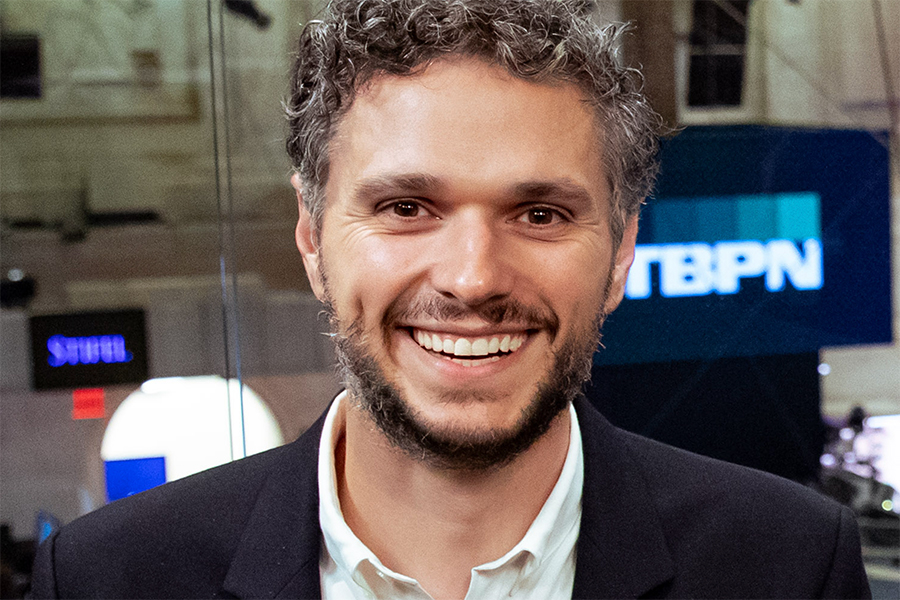
Dylan Abruscato: One of the reasons I joined was, I started my career in traditional TV. I was an NBC page out of college. I worked at Saturday Night Live, then I worked at CNBC and was obsessed with the idea of being a live-TV producer. I only stumbled upon tech by way of an app called HQ Trivia, which had the promise and the vision of a live interactive TV network and the future of TV. Ever since, I’ve dedicated my career to the future of TV and building live interactive programming.
After HQ, I went off and built my own live interactive Survivor-style competition [Crypto: The Game] that lived on the internet and had a few viral seasons. What really spoke to me around TBPN was that it was this real, next-generation CNBC. Something that we talk about all the time is: What if you could in real time ask someone on CNBC being interviewed by Andrew Ross Sorkin a question? Instead of being a passive viewer, you’re an active participant in your favorite shows. Whether it’s the interactive polling, the live chat or the ability to DM directly with John and Jordi during the broadcast — they all seem unique to an internet-native show.
Most digital shows like yours have the utilitarian look of a video podcast, but TBPN has high production values. Has it been that way from the beginning?
Coogan: I’ve been a camera nerd my entire life. My parents worked in Hollywood a tiny bit when I was a kid. My dad was a sound man, and I was always tinkering with things. My first job was filming football games with DV tape on a camcorder. I was always into upgrading work-from-home setups and then figuring out better webcams. That wound up being a Panasonic GH5 plugged into an HDMI adapter, and then eventually Blackmagic gear, and then Sony had the big FX3, which was sort of revolutionary.
I’ve always found it fun to find ways to push production values higher with limited budgets. I was always on a consumer/prosumer budget, but it was the perfect sweet spot in between 2015 to 2024 for the ramp-up of really high-quality production coming down into the single thousands of dollars for most pieces of equipment. Whether that’s switchers, soundboards, lighting equipment with the LED revolution and the Aputure gear. I always had fun with that!
Once you get the gear, you’ve got to figure out how to use it, right? I really enjoyed learning about cinematography and lighting, and what an upstage key is, and why so many cinematographers backlight things. So, for our first episode ever, you’ll see that we’re actually backlit in a fairly dark conference room, shot with three FX3s. It’s a little bit amateurish to shoot everything wide open, but it did stand out from most podcasts at the time. Because you have the soft depth of field on a full-frame sensor.
It sounds like you wanted to work in the film and TV business as much as in Silicon Valley.
Coogan: Yeah. I think the real elite cinematographers would say, when all you have is a hammer, everything looks like a nail. But it did make us stand out from a lot of podcasts that were just recorded on Zooms with webcams. We put a large three-foot-by-six-foot soft LED panel behind us, and I had to go into After Effects and patch where the light stand was so that it wouldn’t show up. Later, we wound up just wrapping an American flag around it, so it became a piece of set decoration. Being one click above what the standard podcast set is has been important. And then we had a lot of fun getting into the live world with chyrons and tickers and overlays and data integrations and polls. We recently had an interactive poll where you could participate and go back and forth, weigh in on what we’re discussing and then that would be reflected in the actual content.
Abruscato: To give you a bit of added context in case you’re unfamiliar with the history, this started in October 2024 as a weekly podcast. In the beginning, John and Jordi would record the episodes in a dark room at the Jonathan Club in Downtown L.A. It wasn’t until early 2025 that we transitioned from the weekly podcast to the live show that you see today. There have been tons of iterations between then and now. I think the production value of the show itself is also part of what led to the outsized growth, because when you’re scrolling through the feed and you see a highly produced talk show on the internet, you kind of do a double-take, and you want to at least check it out to see what it is.
Has the show always been live-streamed?
Coogan: No, we weren’t live for the first episodes, but we were excited by live for a bunch of different reasons. We switched over a year ago.
Abruscato: Because of how fast everything is moving in tech — and AI specifically — by the time an episode would get uploaded to the feeds, everything kind of felt stale. So, it went from weekly to three days a week, then to five days a week, then to five days a week in live format, to five days a week in live format with guests. That’s the current format. I believe it was March 2025 that we went live for three hours daily from the studio in Hollywood.
Who’s a typical TBPN viewer? A programmer worried about losing a job to AI? A Silicon Valley-ite who just likes news and gossip?
Abruscato: I’d say our audience is much more centered around the next generation of founders and early-stage operators, investors and folks who want to hear from the experts.
TBPN's Jordi Hays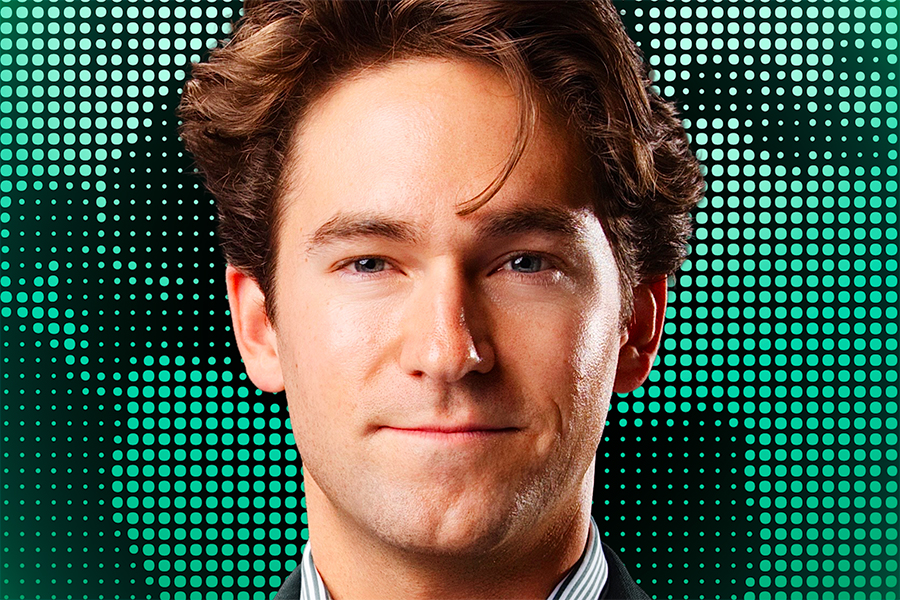
Audiences used to rely on sites like CNET and TechCrunch for the kind of news and insight presented on TBPN. Have you replaced those digital news platforms? What’s your model for the show?
Coogan: We weren’t particularly looking at any of those publications. We were actually really focused on looking at what’s going on outside of technology for inspiration. The Pat McAfee Show was an interesting reference point — a high-production live podcast that eventually made it to TV.
TBPN is often referred to as the “SportsCenter of tech.” How do you feel about that description?
Coogan: “SportsCenter for the LinkedIn crowd” is what Mike Isaac of The New York Times called it. We actually don’t watch all that much sports coverage — it’s not like after the show we throw on ESPN and try and reverse-engineer specific techniques that they use. It’s more spiritual: What if we brought a lot of high energy and lightheartedness to the coverage of business?
Abruscato: I think the comparison makes a lot of sense, because when you think back to the early days of ESPN, there were a lot of questions around whether non-stop coverage of sports would appeal to a mass audience. Which now seems crazy, because there are die-hards everywhere and non-stop coverage of every niche. We were faced with the same question when we first launched, which was: Are there enough people that will sit down and watch three hours of live tech coverage on a tech talk show every single day? There’s no shortage of topics to cover, breaking news to react to, folks to come on the show, folks that will jump in the chat and want to hear about whatever’s going on that day in tech.
I’ve always felt that SportCenter works so well because of the fan-like enthusiasm of the anchors. These folks really seem to like the world they operate in. It comes through in how deeply informed they are.
Coogan: I think there are a lot of situations where we’re poking fun at the industry. But the hardest questions are a little deeper in the weeds. It’ll be specific things about technological decisions: Does a business strategy make sense? And that, I think, creates a separate line of conversation that our audience really enjoys.
You’ve said that you don’t consider yourselves journalists.
Abruscato: Most of our die-hard fans stick around because we are so self-aware and so much of the energy on the show is part of the bit. I’d say dozens of times a day we're pitched exclusive news under embargo from different tech PR firms and founders. And every single time, we refer those folks over to the Journal or Bloomberg or the Financial Times — the kind of journalists that will break the news and ask those hard-hitting questions that their readers are used to. Then we essentially offer that they come on the show and break it down and add that commentary layer on top of it.
You’re a media company employing 10 people to produce a daily three-hour talk show. It seems like just booking guests at the level and volume you do would be challenging
Abruscato: We all do a ton of guest booking — John, Jordi, myself and a guy named Nik Shawa. He’s the closest comparison to our booker in the traditional media sense. There’s usually a ton of back-and-forth and negotiations that lead into a big Tier 1 guest. We’ve had everyone from Mark Zuckerberg to Satya Nadella to Marc Andreessen and Mark Cuban on the show. And those involve a bit of a longer process. But for more timely, breaking-news-driven guests that we have a decent relationship with, it’s as easy as texting with a friend and shooting a quick DM on a social platform with a Zoom link. We’re fortunate to be in a place now where the awareness is there. That just comes with the muscle of thousands of interviews done over the course of the last year and a half.
You hold your own with sophisticated experts. I was impressed at how you mixed it up on today’s show with that expert on the Chinese market.
Coogan: That was Jordan Schneider from ChinaTalk. I think a lot of it comes from our natural media diets. I’ve been a fan of Jordan’s for years and listened to the ChinaTalk podcast, been a subscriber. So, bringing him into our world as a sort of recurring character made a lot of sense. And then there’s a bunch of other interesting knock-on effects from a segment like that. Jordan has a podcast. Having him come on and talk potentially at a higher level — he goes a lot deeper in many of his shows — is a way to introduce him to our audience. And we have a pretty mature distribution workflow where clips and moments from that interview will go out across social media. We will find audiences all over the internet.
For a lot of creators, there’s immense value in focusing on a particular distribution platform, especially if there’s just one place where they monetize. So, if they have a paid Substack, they want all the content to go there. We can help them spread their freemium content across social media where a small creator might not be able to stand up. By coming on the show regularly, they can appear on LinkedIn and be distributed across LinkedIn and other platforms.
Abruscato: The way the show is structured, because it’s so long, the first hour is typically John and Jordi reacting to the news of the day and the timeline — kind of the current thing in tech. It’s very news-driven. A lot of our guests are news-driven, as well. That first hour of interviews from 12:00 to 1:00 usually includes one or two Tier 1 conversations. Today we had the CEO of Spotify, Alex Tabarrok, come on to present the Disco Ball app — discourse that’s very relevant to our audience. Yesterday we had Dylan Field from Figma and Brian Chesky from Airbnb. Then that third hour is more like the lightning round, with quick-hitting fundraise announcements, product news and talks with up-and-coming early-stage founders who are making it themselves for the first time.
How much homework do you have to do every day to be so informed?
Coogan: A lot of it comes from reading original reporting from the Journal, Financial Times, Economist and plenty of Substackers who get scoops and information that’s corroborated and debated and evaluated. Then there’s a process of constantly listening to other interviews that our guests have done. There are certain conversations that you’re very prepared for because you’ve been talking about this person or this company for months, if not years. We’ve had unanswered questions on dozens of shows that we can go back to or are still top-of-mind.
When does the typical production day begin?
Coogan: 6:00 to 2:00 is sort of when all the pre-work happens leading up to the show. We meet at 6:00, typically working out together, have breakfast and do separate breakout meetings with different elements of the team. Maybe talk about production one day, talk about booking the next day, talk about newsletter and distribution and all the different things that we’re doing with the show, day-by-day.
Then, from 9:00 to 11:00, it’s really go time, fire up all the equipment, make sure everything’s prepped. I write a newsletter that summarizes a lot of the news of the day. We organize all the different topics and different stories by how relevant they are to the audience, what we want to talk about and maybe even prep some analysis. Then, at the last second, there’s always an opportunity to add someone to the guest lineup if there’s breaking news and we know someone who’d be good to help contextualize it and wants to hop on that day.
How much is the current AI bubble fueling interest in the show?
Abruscato: The speed of the AI wars, or the AI talent wars, whatever you want to call it, has been a huge driver for growth, for awareness, for the impetus behind going live and daily. One of the biggest viral factors, just in terms of awareness of the show, was last summer during the craziness of the AI talent wars, where Meta and OpenAI and Anthropic and everyone else were throwing around these huge $100 million offers to AI researchers. For the first time ever, we covered those moves very similar to how someone like Woj [former reporter Adrian Wojnarowski] at ESPN would cover an NBA free agent signing with a new team. We had breaking news alerts on the show whenever an AI researcher joined a new lab. We put out breaking news trading cards on socials, treating tech like the live spectacle that it kind of is. That’s what immediately stood out, I think, to our audience.
Things changed in a pretty big way in April, when you were acquired by OpenAI. Talk about that a little bit.
Abruscato: From the second I started, and for the longest time, we’ve had such big ambitions for the show — we want to do our version of DealBook. We want to properly go to Davos and [the] Milken [Institute Global Conference], and to do a college tour and all these grand plans to properly take on the legacy traditional financial news networks and really show up in a big way. And as a 10-person early-stage startup that didn’t raise capital, we just didn’t have the resources to do that. So, when we were approached with the opportunity to grow the show as big as possible and invest so much time and energy and resources into all those big activations and ideas, it just seemed like a no-brainer to help take the show to the next level.
Before we wrap up, how many people are watching each day now?
Abruscato: Last we checked, across all platforms, there were around 70,000 unique viewers per episode.
Any guests who haven’t been on the show that you’d like to get?
Abruscato: Nothing that we’re ready to announce quite yet. We’ve had two of the seven Mag 7 CEOs, and a personal and professional goal for the three of us is to complete that set of seven.
To clarify, Meta cofounder Mark Zuckerberg and Microsoft CEO Satya Nadella are among the top execs from “Magnificent 7” companies who have appeared on the show. You’re still waiting for the guys at Apple, Amazon, Google, Nvidia and Tesla to stop by.
Good luck!
This interview has been edited for length and clarity.