
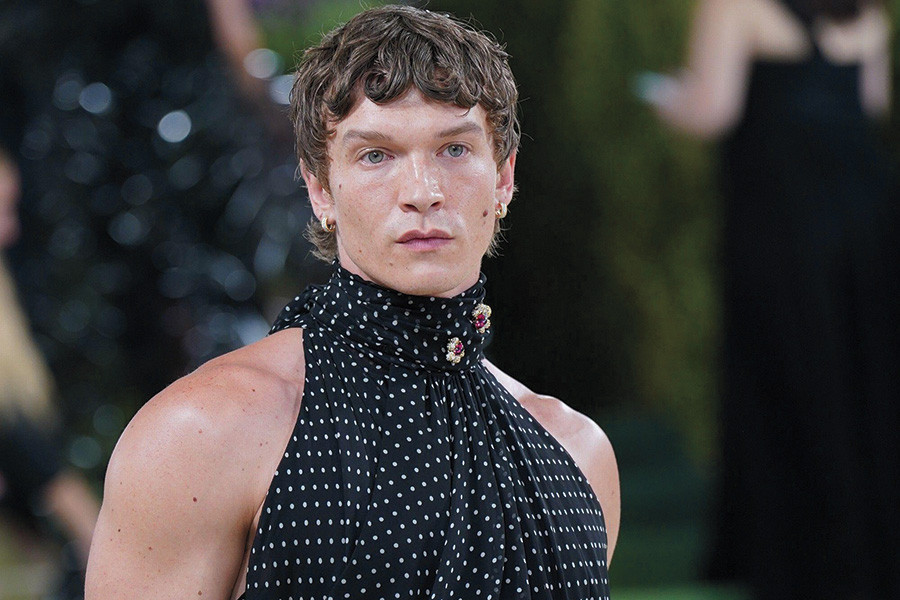
The Met Gala red carpet arrival scene has long been considered fashion’s Super Bowl. And on the first Monday last May, sartorial-minded A-listers like Beyoncé, Nicole Kidman, Anne Hathaway, Colman Domingo and Margot Robbie all scored in fabulous fits. Yet it was a rookie sensation — Heated Rivalry’s Connor Storrie (above) — who won over fans and style experts. Fresh from signing deals with Yves Saint Laurent and Tiffany & Co., he strutted in a custom look — a long lavallière top in polka-dotted silk muslin, high-rise trousers, Roman boots and fine jewels.
“Connor garnered more attention than any of the big stars,” says longtime beauty editor and brand strategist Gwen Flamberg, who covered the NYC event. “He just looked amazing! He was the story.”
And that’s why the celebrity lifestyle endorsement playbook is being rewritten. While the Hollywood (and Met Gala) stalwarts still command major luxury campaigns, breakout Gen Z television stars have emerged as the industry’s biggest gets. Storrie’s on-screen love interest, Hudson Williams, recently signed with Balenciaga and Bulgari; Off Campus star Ella Bright has a deal with Rare Beauty; Outer Banks lead Drew Starkey reps Dior; Storm Reid of Euphoria and The Last of Us has partnered with Coach and New Balance. And those are just a few examples from this year.
There are millions of reasons why these stars are so appealing. (As the kids say, they have “aura.”) After all, the shows that made them famous have cultivated massive and rabid audiences drawn to intense yet emotionally vulnerable storytelling. “There’s a gripping, emotional and authentic connection happening between viewers and characters on these shows,” says Sharon Ainsberg, cofounder of the fashion, lifestyle and entertainment agency SHO + Company. “It creates this insane parasocial relationship.”
To reach these highly engaged fans, brands are giving their campaigns makeovers. Aside from traditional print ads and commercials, celebrities appear in glossy promotional video clips on platforms like Instagram and TikTok. The strategy is both culturally and financially savvy, as talent with large social-media followings can instantly attract people who both consume entertainment and shop via their phones. Adds Ainsberg, “You can’t just sit for a picture anymore, like what Kate Moss did for Calvin Klein. Social media with its constant motion is driving everything.”
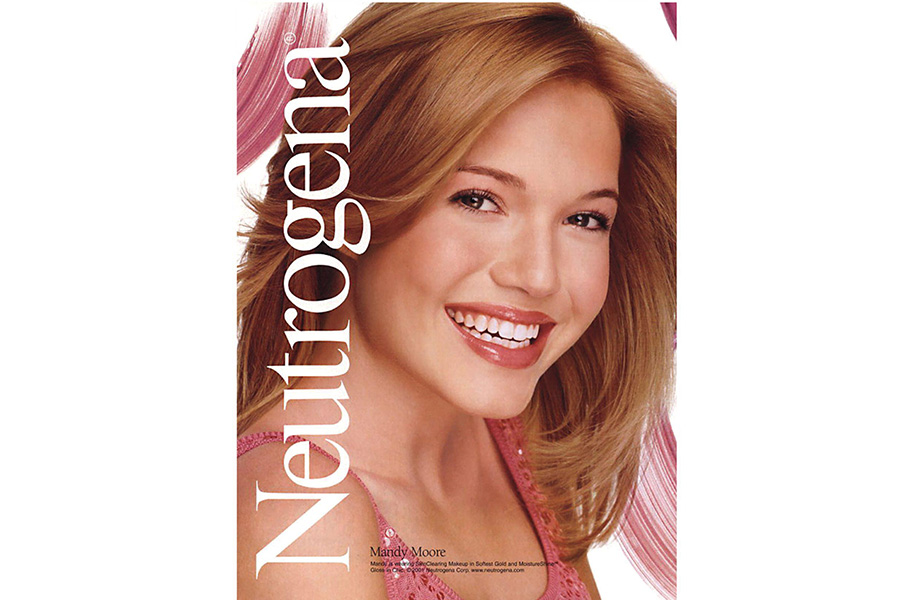
Even the vocabulary around celebrity endorsements has evolved. Remember when Mandy Moore, Jennifer Love Hewitt and Mischa Barton were named spokesmodels for Neutrogena in the early 2000s? That title has since been largely replaced by one with a bit more cachet.
Now, bold-faced names like Jacob Elordi (Bottega Veneta), Ayo Edebiri (Chanel), Zendaya (Louis Vuitton), Chase Sui Wonders (Tiffany & Co.), Olivia Rodrigo (Lancôme) and Emma Corrin (Cartier) are deemed “brand ambassadors.” Sure, factors such as exclusivity, equity and scope vary depending on the position. But the core public-facing responsibilities — such as representing the brand at high-profile events — have remained consistent over the decades. Sofia Vergara, touted as CoverGirl’s latest spokesmodel in 2011, is now considered a brand ambassador. Pedro Pascal started as a “friend of the house” for Chanel, wearing its clothes on the red carpet, before becoming an official brand ambassador.
“You’re talking about semantics,” Flamberg says. “But a brand ambassador sounds more elegant and doesn’t necessarily connote payment. It’s also more gender fluid.” Meanwhile, Pharrell Williams, Kaia Gerber and Jaden Smith have more of a say behind the scenes as creative directors of Louis Vuitton, Re/Done and Christian Louboutin, respectively.
Jacob Elordi sporting a Bottega Veneta bag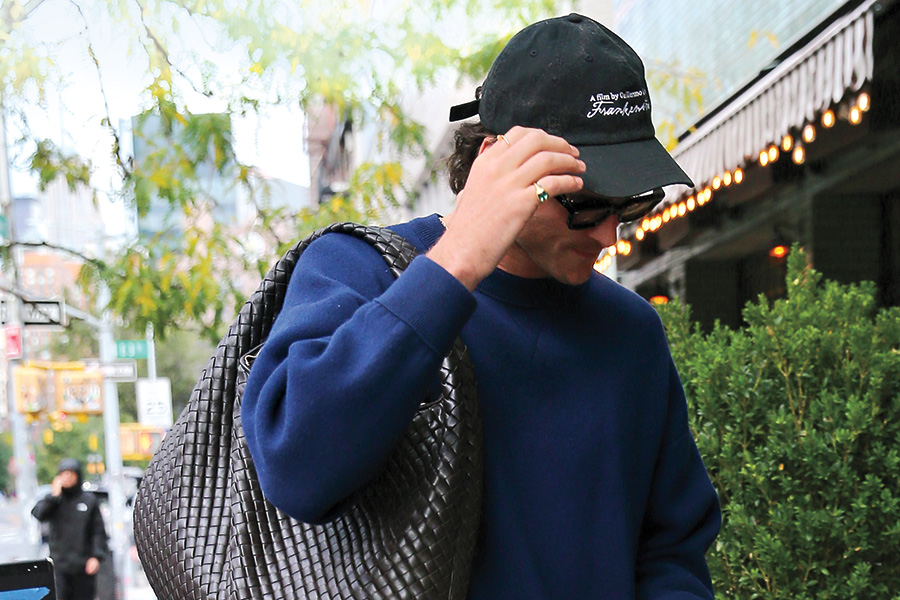
Still, whatever the terminology, the overarching goal remains the same: Find the right talent for the right brand.
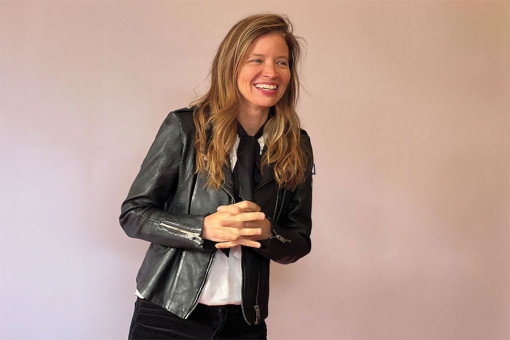
“Brands should never start a conversation by asking, ‘Who do we hire?’” says Keith Gelman, founder and chief executive officer of Talent Partnership Advisors. He recently helped coordinate Khloé Kardashian’s launch of a Revlon lipstick line. “You first need to have a conversation and know what the end result looks like. They could want to do a launch pegged to Back to School. Or they want to work with a celebrity to get better exposure in retail or have a better social-media presence. Then the talent becomes obvious.” Adds Ainsberg, who’s matched Felicity Jones with Clé de Peau Beauté and Jennifer Garner with Max Mara, “Once the brand approaches us, we always have to sit down with [the executives] and decide on the consumer they’re trying to reach.”
The complete version of this article appeared in emmy magazine, issue #11, 2026, under the title "On Brand."