

It's a good thing that bringing historical subject to life in docuseries like The Civil War, Baseball and this fall’s American Revolution worked out for filmmaker Ken Burns: “I’m pretty dumb. I never had a plan B. I was fixed on what I wanted to do — which, at age 12, was making Hollywood films, and at age 18, making documentary films.”
Starting with 1981’s Brooklyn Bridge, Burns hasn’t stopped delving into the past as he and his team work tirelessly to dissect individuals and broad subjects alike. Here, the Brooklyn native and five-time Emmy winner talks about some of his greatest hits and how he approached making them.
The Civil War (1990)
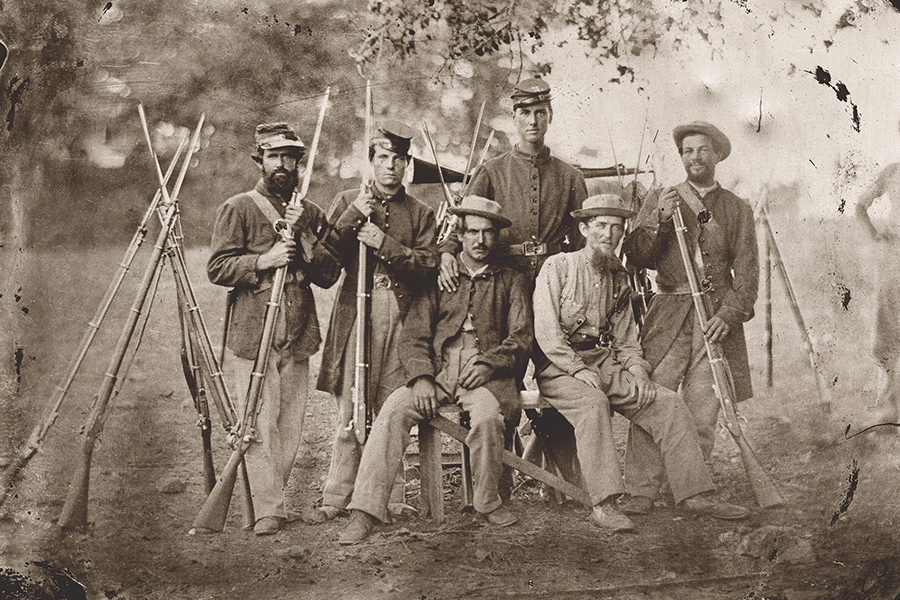 Photo credit: Library of Congress
The story between the United States’ North and South was daunting “in every way that you could define,” he says. And it nearly didn’t happen, because his initial film grant was rejected. “The [Corporation for Public Broadcasting] panel thought there’d be no way you could sustain interest in looking at still photographs longer than an hour,” Burns recalls. He eventually got the green light, and everything changed once the nine episodes began airing: “I woke up that Monday morning and had a new life.” And, soon after, two Emmys.
Baseball (1994)
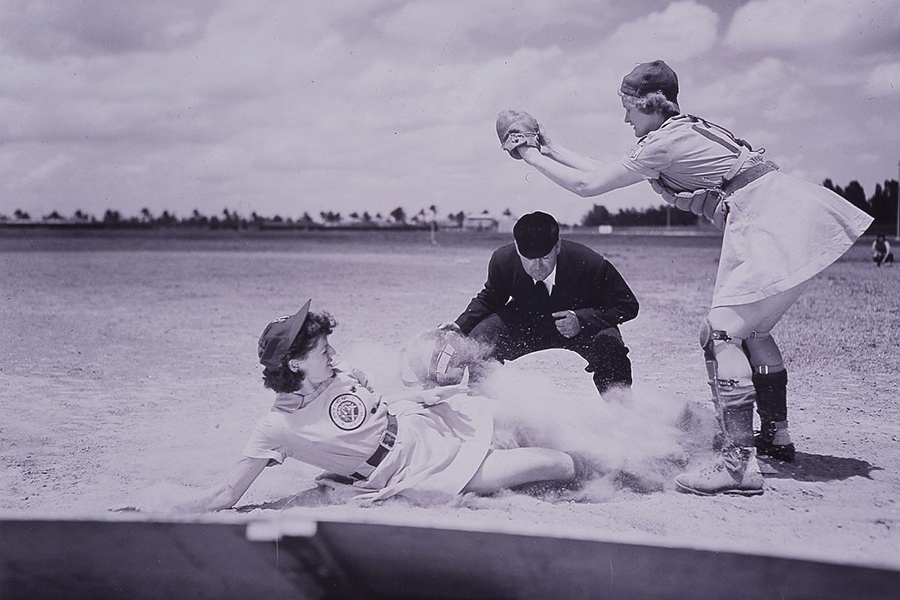 Photo credit: Florida State Archives
Burns won his third Emmy for this nine episode series about America’s favorite pastime, but he couldn’t have predicted it would air during the baseball strike that started a month before its premiere. “There was no baseball, and it was to our benefit, because we got a great audience,” he recalls, adding that the sport is unique because people typically remember it via family associations. “You never begin a basketball or football story the way you begin a baseball story, which is always ‘my dad’ or ‘my mom.’”
The National Parks: America's Best Idea (2009)
 Photo credit: Craig Mellish
“First of all, I love the American West, and it has so much to offer,” says the filmmaker, who won his fifth Emmy for this six-episode series. “We knew we didn’t want this one to be a travelogue or a recommendation of which inn to stay at but a history of both the natural history, the ethnographic history and then the history of how people took it and helped create it,” he explains. “I’m as proud of this as any that we’ve done.”
The Central Park Five (2012)
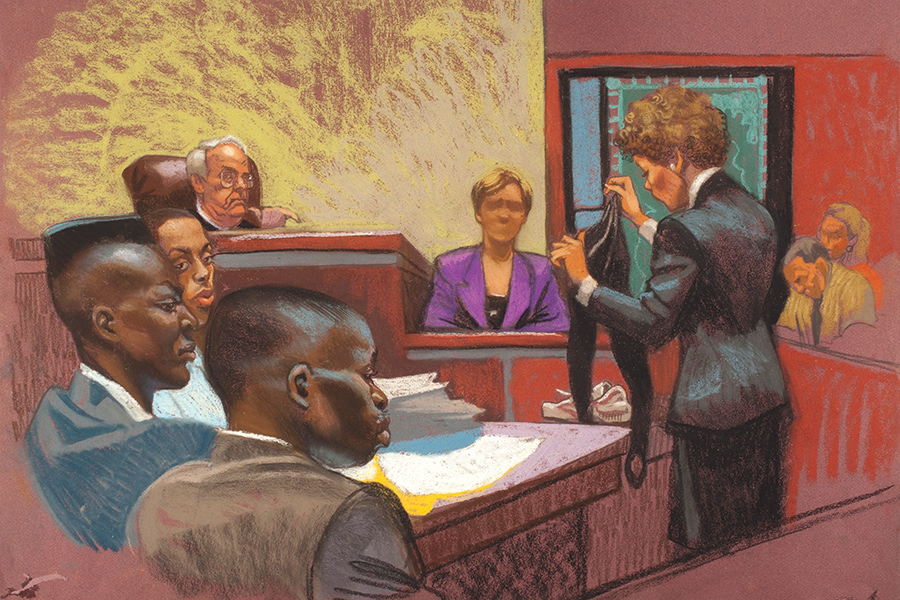 Photo credit: Christine Cornell
Burns worked with daughter Sarah and her husband David McMahon on this project about the five Black teens wrongly convicted of a 1989 New York City rape. The film came out 10 years after the Five were acquitted of the crime, “but the actual exoneration was still very fresh, and it was very much part of New York politics.” The film was seen by eventual New York mayor Bill de Blasio, “and within a few months of his taking office, he settled the lawsuit [for $41 million] in favor of the men.”
Country Music (2019)
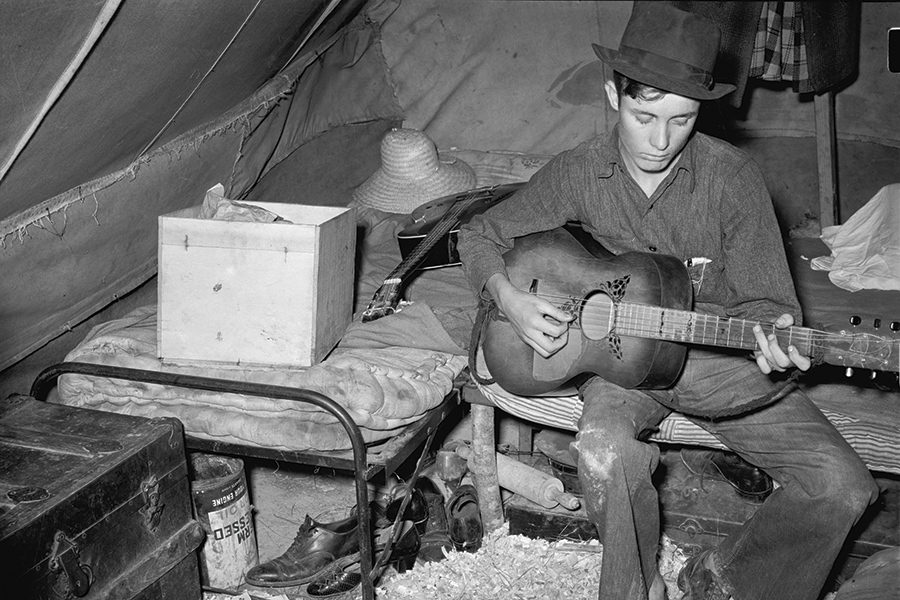 Photo credit: Library of Congress
“After [2001’s] Jazz, a lot of people said, ‘You’ve got to do rock ’n’ roll,’” Burns recalls, but instead he shifted to another powerful genre and partnered with frequent collaborator Dayton Duncan, who wrote all eight episodes. The series focused on the emotional meaning of the music, spotlighting the stories behind classic songs like Dolly Parton’s hit “I Will Always Love You,” which was about her professional breakup with country star Porter Wagoner. “Now I hear her early versions and weep,” Burns says.
The U.S. and the Holocaust (2022)
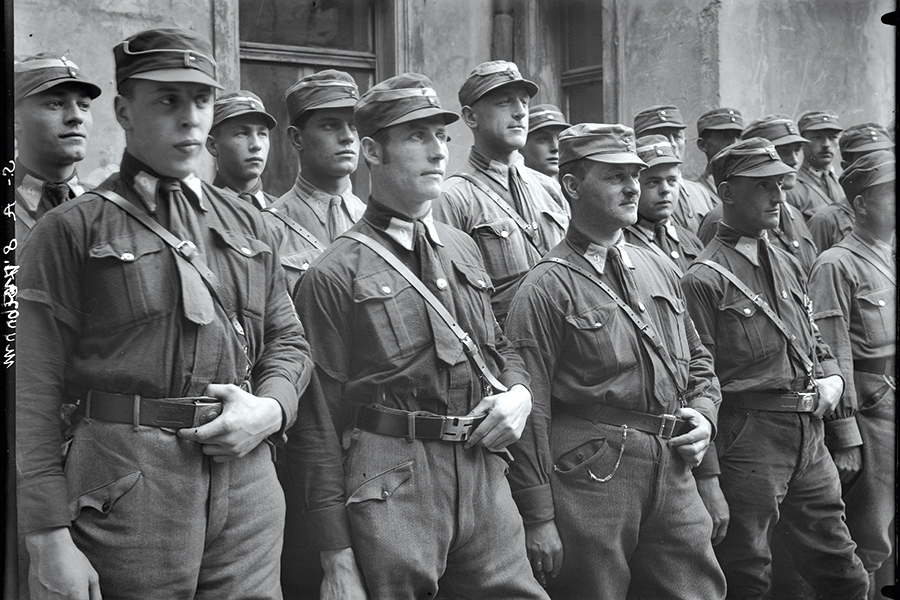 Photo credit: PBS
The Holocaust had been a part of 2007’s The War, but Burns told the story differently over three episodes by pulling away from the more horrific footage and, in turn, learning much more about the tragedy. “We’re storytellers, and it’s how you tell the story and the way in which a viewer is bonding to it — that’s the difference,” he says. “It’s a hugely influential film that is still being used in classrooms.”
Leonardo Da Vinci (2024)
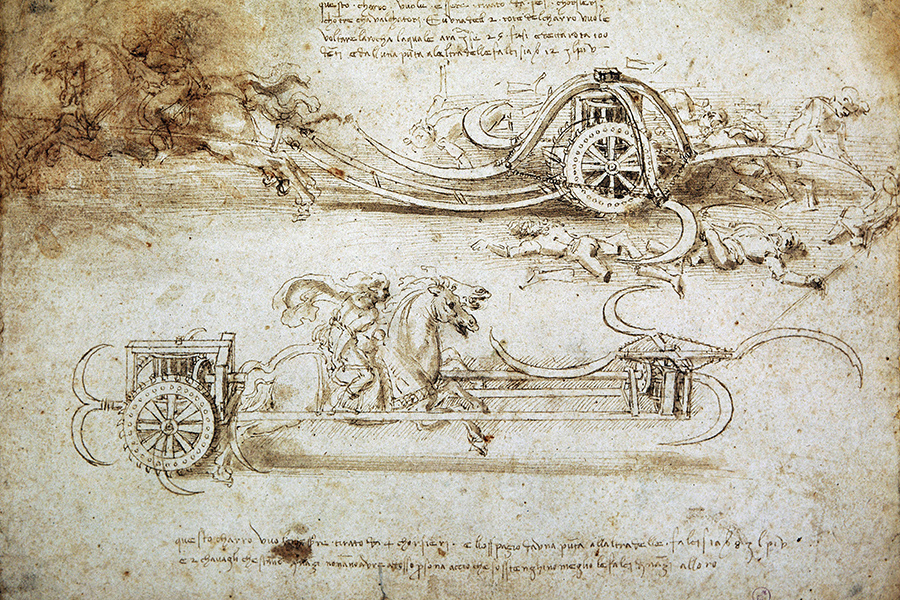 Photo credit: PBS
For his first non-American topic, Burns credits his daughter and sonin- law, who felt “the central aspect of why our films work is that we treat photographs and paintings as if they’re real and dimensional, and [this time] we’re going to violate that,” he says. Instead, in this two-episode series they opted to split the screen to truly dissect da Vinci’s works. “We were going to accentuate the plasticity in many areas. They said, ‘Look, it’ll work,’ and it did.”
The American Revolution (Fall 2025)
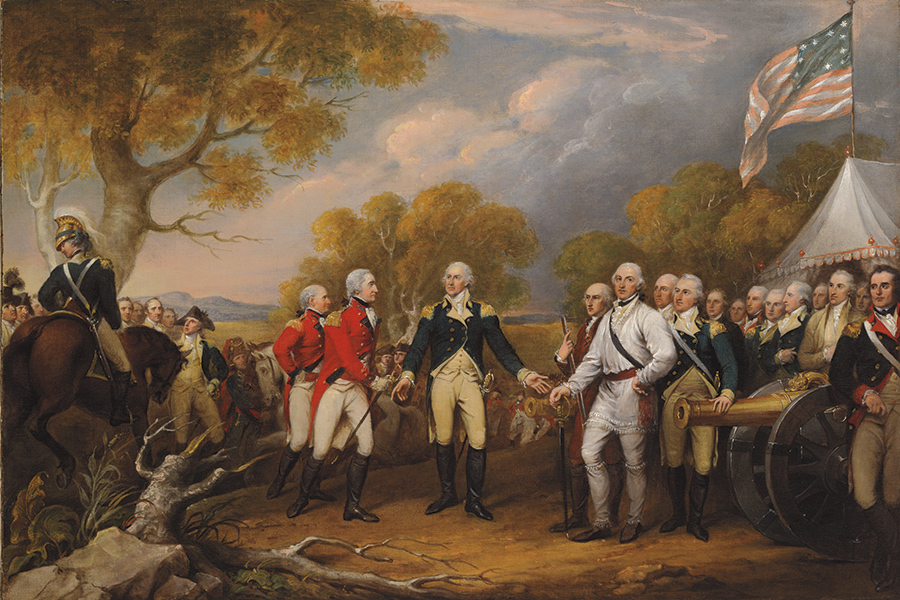 Photo credit: PBS
Recreating war battles was not on Burns’s agenda for the upcoming six-episode series. Instead, he hired actors to voice first-person experiences. “There are 80 voices, and 60 of them you know very well,” he says, citing Morgan Freeman, Tom Hanks, Laura Linney and Meryl Streep, among others. Burns also wanted to make sure to give time to “the ordinary people you’ve never heard of and who don’t have a painting.”
This article originally appeared in emmy Magazine, issue #8, 2025, under the title "Ken Burns: My Life in TV."