
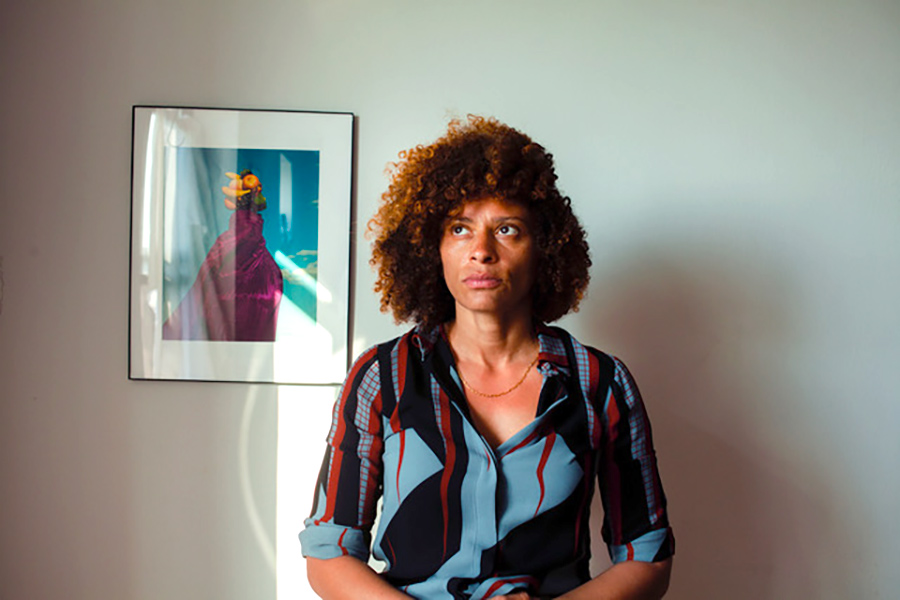
When Nadia Hallgren signed on to direct Victoria Beckham, Netflix’s three-part docuseries about the pop icon-turned-“WAG”-turned-fashion designer, she knew she was telling more than just another celebrity story.
She was stepping into the world of a high-profile woman who has spent decades being defined — and often misunderstood — by others. But Hallgren knew that, despite her titular subject’s reservations, Beckham wanted to set the record straight.
“I knew Victoria really wanted to do this,” Hallgren tells the Television Academy. “But it was almost like an undoing of past traumas and experiences. She’d say, ‘I want to do this interview,’ but everything in her body was saying, ‘No, don’t open up.’”
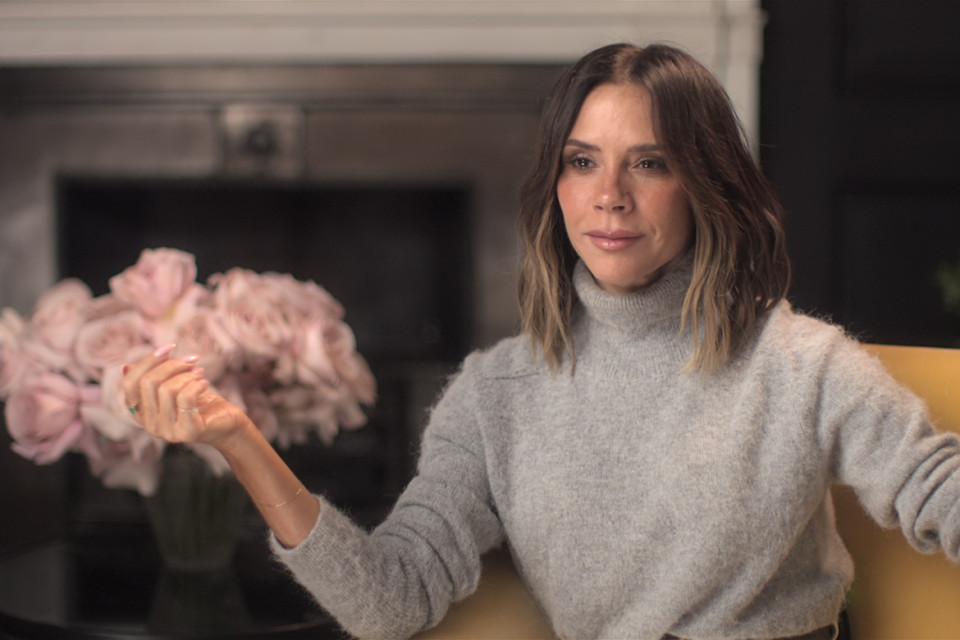
That tension — between self-protection and self-revelation — lies at the heart of Netflix’s engaging docuseries. Following the 2023 hit limited series Beckham, which centered on her husband, soccer legend David Beckham, this companion piece offers a more intimate look from her own perspective.
While this series revisits Beckham’s rise from Spice Girl to global figure, its emotional core lies in her second act — the long (and often uphill) climb toward being respected as a fashion designer and business owner. Hallgren used that journey as an essential narrative throughline to help audiences understand who Beckham is today. Victoria’s poignant finale, which centers on the Victoria Beckham Spring/Summer 2025 Paris Fashion Week show, was the first thing Hallgren filmed.
“When I got brought on to the project, it was late August, and the fashion show was in September,” Hallgren recalls. “We hit the ground running.”
As rain threatened to derail the outdoor event, Hallgren found herself invested in Beckham’s success on a personal level. “Standing backstage, seeing that rain coming down, I was so anxious and tense,” she says. “By the end of that fashion show, I was like, ‘We have a show, and this is our finale.’”
That sequence became the docuseries’ narrative anchor; it served as a reflection of Beckham’s perseverance in the world of fashion, a field where she has struggled to be taken seriously.
Hallgren, an Emmy-nominated filmmaker best known for the Michelle Obama documentary, Becoming, says her interest in the project began after seeing Victoria in the documentary about her famous husband. “If I hadn’t seen that version of Victoria Beckham, I’m not sure I would have been interested,” Hallgren explains. “Her storytelling ability really shined through — [so did] her ability to tap into these emotional parts of her life, and express them in a way that helped connect me to [the Beckhams] as a couple and as a family.”
But when Hallgren began researching, she realized how much of Beckham’s story had been shaped by the press — particularly in her early years. “I didn’t know that much about Victoria’s past relationship with the press. It wasn’t until I started doing my own research, and digging into the archive, that I became fully aware of how bad that period was for her.”
The docuseries probes a particularly difficult time during that period when a then-24-year-old Beckham, pregnant with her first child and on tour with the Spice Girls, was subject to the British tabloids’ relentless scrutiny. Hallgren empathized with her subject’s struggles during this period, as the director was then entering motherhood for the first time. “Just imagining how that life change is already so scary and wonderful, but also isolating,” she says. “There’s so much that you feel. Someone going through that — and having all this negative press and people judging her at every moment while going through it — was unimaginable.”
Such empathy allowed the director and her subject to foster a trust, but that process would prove to be its own journey. “It took time to break through,” Hallgren remembers. “As a filmmaker, I’m thinking, ‘Are we ever going to really break through?’ But every time we did an interview, it pushed her more and more out of her comfort zone — until she came to a place where she was ready.”
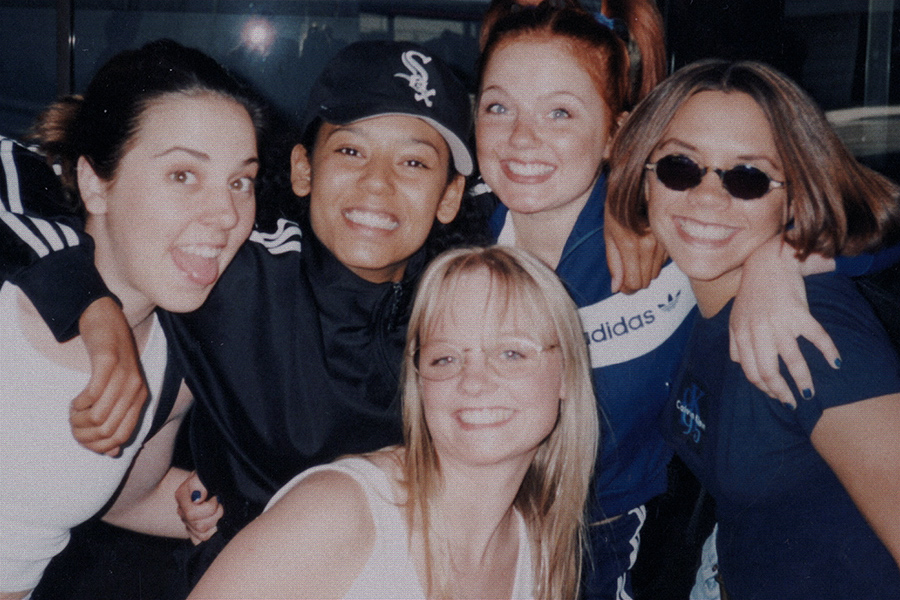 Beckham's time with the Spice Girls was subject to intense tabloid scrutiny in Britain / Netflix
That patience eventually paid off, as Beckham would ultimately open up about deeply personal subjects — such as her initial failures as a business owner, as well as her struggles with an eating disorder. The latter was something she had never discussed publicly before. Hours of conversations between Hallgren and Beckham, and their growing trust, led to that discussion.
“I’d read about something that happened and ask her to tell me more,” Hallgren explains. “She would layer it with all these amazing anecdotes, with her humor and resilience — all the things that make Victoria who she is.”
For Hallgren, whose past work has explored the themes of strength and identity, Beckham’s story fits naturally within her preferred lane as a storyteller. “I’ve become really interested in people who keep going despite all the odds stacked against them,” she says. “You see that in Michelle Obama and in Victoria — even in her personal struggle to find her true self and not let the noise crush her dreams.”
Ultimately, Hallgren hopes that the takeaway audiences have from watching the docuseries is to lead with compassion.
“Don’t be mean to people,” she says. “You just don’t know what they’re going through.”
In Victoria Beckham, Hallgren captures that lesson with elegance and empathy — crafting a portrait of endurance, reinvention and strength. Behind the fashion and fame, Hallgren’s camera finds something far more revealing: a woman learning, finally, to be seen on her own terms.
This interview has been edited for length and clarity.
Victoria Beckham is now streaming on Netflix.