
"That show was just a really special and fun experience."
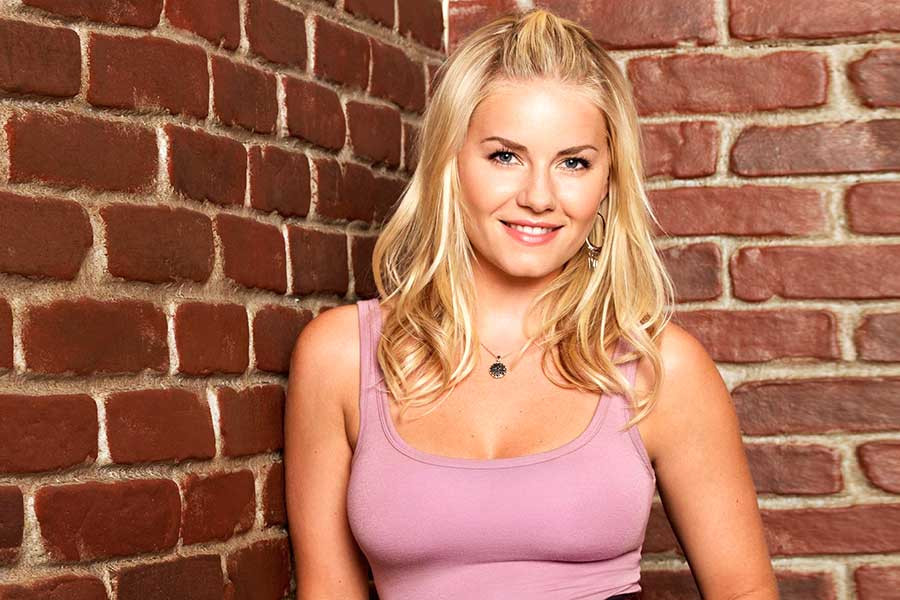
Elisha Cuthbert’s sentiments about her time working on ABC’s cult sitcom, Happy Endings, mirror those of the small-but-loyal fanbase that watched it.
Created by David Caspe and co-showrun by Caspe and How I Met Your Mother alum Jonathan Groff, the series premiered 15 years ago, on April 12, 2011. With its rapid-fire jokes, the sitcom introduced audiences to a likable group of six Chicago-based friends in their late 20s and early 30s whose witty banter and absurdist hijinks skewed closer in tone to 30 Rock or rom-coms than, say, Friends — which critics and its own network compared Happy Endings to at the time.
The pilot, directed by Anthony and Joe Russo (prior to the brothers' Marvel Cinematic Universe fame), introduced the gang at a hilarious wedding where the eccentric Alex (Cuthbert) leaves Dave (Zachary Knighton), her square-but-endearing groom, at the altar for a random hunk in roller blades. From there, Alex and Dave must navigate their now-seemingly platonic relationship without "making it weird" for their core friend group, which includes: Jane, Alex’s Type-A older sister (Eliza Coupe); Brad (Damon Wayans, Jr.), Jane’s hardworking but playful spouse; Max (Adam Pally), the charming man-child and Penny (Casey Wilson), the quirky romantic.
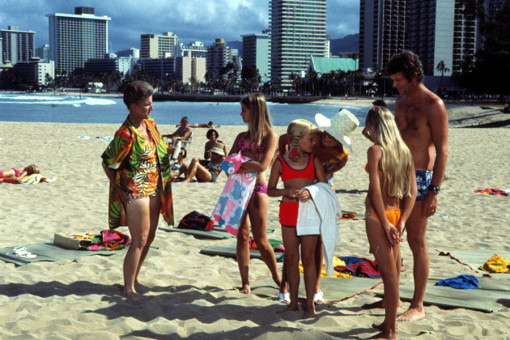
The cast of Happy Endings (from left): Damon Wayans, Jr., Eliza Coupe, Zachary Knighton, Casey Wilson, Adam Pally and Cuthbert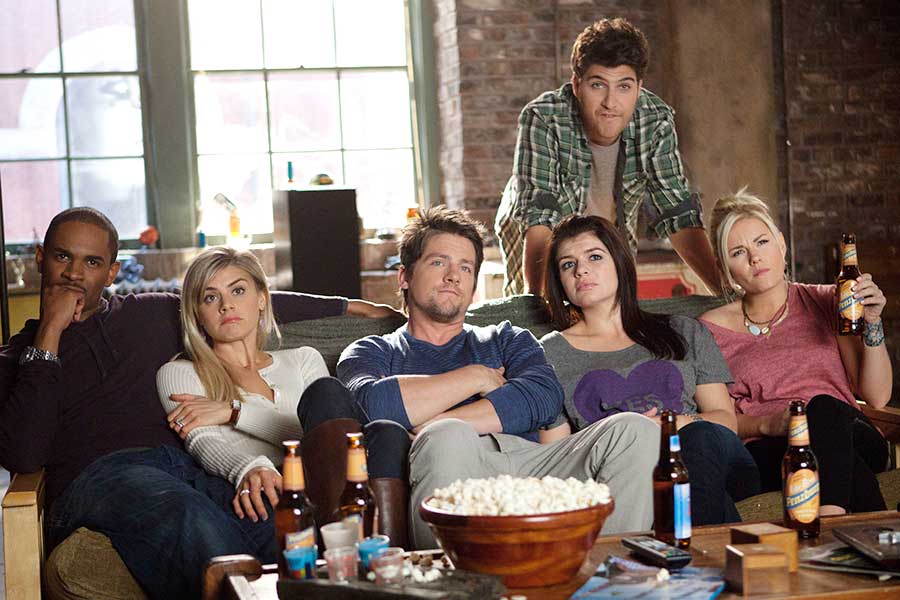
For Cuthbert, Happy Endings was an ideal opportunity to prove she had more range than what audiences saw in her breakout role as Jack Bauer’s daughter on Fox’s gritty actioner 24. Alex’s eccentricities — like her Christmas wrapping paper obsession and craving barbeque ribs while drunk — quickly made her a fan favorite, with Cuthbert encouraged throughout production to showcase her comedic skillset in ways that would become story points.
"Caspe would watch how we interacted between takes and would take some of the things we’d do to make each other laugh and put them into the show," Cuthbert tells the Television Academy in an exclusive interview. "One time, towards the end of season one, I was goofing around on set, pretending to [play with] an imaginary hula hoop around my neck. Caspe saw it and was like, 'We gotta put that in the show.'"
The Sony-produced comedy helped launch the careers of its stars and also proved to be a successful training ground for several future showrunners. From Insecure’s Prentice Penny to Rutherford Falls creator Sierra Teller Ornelas, Happy Endings had 23 writers over its three seasons. Twenty-one of them — including assistants — became showrunners.
The comedic talents on camera and behind it, according to Cuthbert, worked tirelessly to capture the then-tricky and untested tone of the series — with the pilot proving to be the hardest episode of the entire three-season run. In honor of Happy Endings’ 15th anniversary, Cuthbert spoke with the Television Academy about which scene from the pilot was especially challenging while also sharing the origins of Alex’s most meme’d line: "I’m not as dumb as I am."
Television Academy: 15 years after Happy Endings premiered and helped launch several acting careers, the pilot still holds up, in large part due to you and your costars’ seemingly effortless chemistry. How challenging was that dynamic to develop?
Elisha Cuthbert: We worked really hard at it from the very beginning. We knew the tone was so specific and important to nail down. I think the pilot was probably our most difficult episode to film.
Cuthbert and Knighton in a scene from the Happy Endings pilot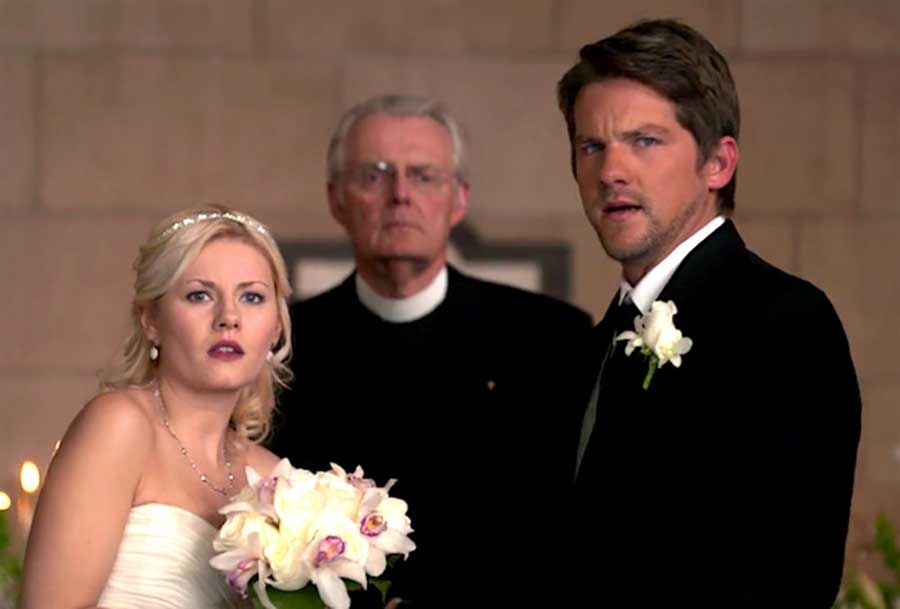
How so?
We had the script. We knew what was expected of us. But we were like, "What is everyone's voice? How does everyone fit in? Who are their characters?"
We had to have this chemistry that, obviously, evolved in such a beautiful way. It wasn’t until mid-first season that we felt like we figured out the tone. But I feel like the first episode was really difficult. We worked really late nights because we were having to navigate everyone's comedy and what everyone was doing — especially at the dinner scene [that ends the pilot], where Penny’s 30th birthday dinner goes off the rails.
Given their experience directing episodes of NBC’s Community, the Russo brothers must have been very helpful with establishing tone.
I remember them being so pivotal in that regard. Without them, we were just this large cast — three guys, three girls. But, that dinner scene — that night was tough. We were all brand new to these characters, and we didn’t know each other very well yet. We were just trying to do the best we could. Once the ball started rolling and we got a better sense of everyone’s distinctive style, everyone played off each other really well. It just felt like there was a lot of pressure for us to pull it off. We wanted the show to do well and get a full season.
Were there notes from the network asking to dial back on the show's unique tone or anything else?
I never heard anything. If there were any notes like that, they probably went to Caspe or Groff. For me, if anything, we were just more concerned about competing with other shows and trying to keep our ratings up so we could keep going.
I do remember feeling like there was a lot of stress at the time. And we kept shifting timeslots on the network schedule. So, our audience constantly couldn’t find us — and, unfortunately, our ratings reflected that. That’s too bad because, in this age of streaming, I think this show, or a show like it, would do well on a streaming service.
Despite the ratings, the show attracted some great guest stars — like RuPaul and Megan Mullally, with the latter playing Penny’s mom.
We did, and they were great. But because we were in our first season, no one really knew the show well at that point. At one point, for the role of a popstar who comes into the store that Alex owns, I think we had calls out to Fergie. But everyone passed. Even in the pilot, there was supposed to be a small part for Hootie and the Blowfish. But they were like, "No."
You got turned down by Hootie?
Yes, we got turned down by Hootie. Oh, well. [laughs]
What were the conversations like early on in terms of Alex’s character becoming more eccentric and leaning into her goofier, playful side?
Alex and Dave were initially thrown into this show playing it straight opposite the other characters. They weren’t necessarily intended to be all that wild or weird or funny. Alex and Dave were supposed to be the ones that grounded all of the comedy. But, obviously, the tone shifted. And that was all Caspe and Groff and the writers seeing what we could do with these characters.
Alex evolved into [having] a sort of comedic, Betty White-type of silliness. Which came from my own antics off-set. Caspe would watch how we interacted between takes and would take some of the things we’d do to make each other laugh and put them into the show. One time, towards the end of season one, I was goofing around on set, pretending to [play with] an imaginary hula hoop around my neck. Caspe saw it and was like, "We gotta put that in the show."
Knighton and Cuthbert in a scene from the Halloween episode, "Spooky Endings"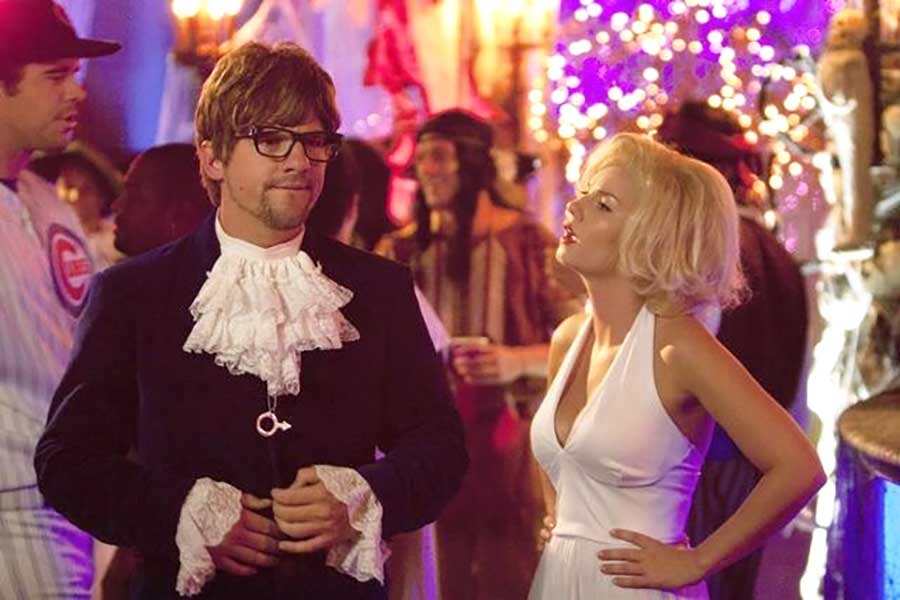
A standout installment is the second season’s Halloween episode, "Spooky Endings." Alex is sick with a really bad cold and hoarse voice, but she dresses up as Marilyn Monroe for a Halloween party and gets mistaken for a drag queen. Any memorable behind the scenes stories from that episode?
That might have been our best episode ever. It was a big holiday episode, and network TV Halloween episodes are usually "go big or go home." When we were on set, we just knew it was going to be a good episode. As soon as we saw the costume Casey and Adam had to wear, we just knew it. [Editor’s note: Penny and Max attend the party in a couples costume, where Penny wears a baby Max strapped to her chest.] The wardrobe department did such a great job pulling that episode off, helping us get into character with those crazy costumes — like Dave going as a really dated Austin Powers. All of that felt special.
And I had to fake being sick for the whole seven-day shoot, with that sore throat and [in a raspy voice] sounding like this. I could barely talk by the end of the week. Then, at the end of the episode, I had to go on stage at the party and do a full performance. I had to do this dance — in this costume — which wasn’t rehearsed or choreographed. I got to improvise the whole thing. We didn't choreograph, which is kind of ridiculous because we shot right next to the Glee stages on the Paramount lot. We probably could have borrowed one of their choreographers. [laughs]
Alex sparked many memorable memes and gifs. The most famous one arguably being her line from season three’s "The Merry Prankster" —
“I’m not as dumb as I am,” right?
Yes, that’s it!
That was a Groff line. That was all Groff. I remember at the table read, I knew I had to get that line reading right. And when I said it, everyone laughed. That was a good line.
Looking back on the show, what is your major takeaway 15 years later?
It was definitely the most fun, and the most wild, experience of my career. That show was just a really special and fun experience.
This interview was edited for length and clarity.
Happy Endings is streaming now on Hulu and starting May 17, 2026, the show will air Sundays on Great Entertainment Television.