

Few series bring the pure joy of Love on the Spectrum.
Sure, people routinely fall in love — or lust — on reality shows, but the first unscripted program starring people with autism feels genuine. Whether that’s because of the participants’ neurodiversity or the program’s low-key, upbeat tone, it’s the reality dating show that leaves viewers happier.
No one is angling to get discovered. No one badmouths others or gets humiliated. Sometimes, as happens again this season, one person wants to continue a relationship while the other doesn’t; yet it always ends civilly, and that alone feels like a gift. Netflix dropped all seven episodes of Love on the Spectrum season four on April 1, the eve of World Autism Day.
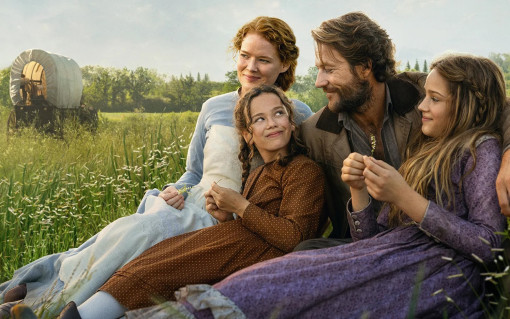
No spoilers here, but there’s an engagement, a breakup and lingering shots of cute dogs. Returning are James and Shelley, Abbey and David, Connor and Georgie and Madison and Tyler, joined by newcomers Logan, Emma and Dylan.
The camera follows Logan shopping for an outfit for his first date. How do you not root for someone who arrives at dinner in a purple tux jacket with roses in tow? Meanwhile, Emma has a contagious giggle, but don’t let her bubbliness fool you; she’s confident enough to decline a second date. And Dylan, much like the others, comes from a loving and supportive family.
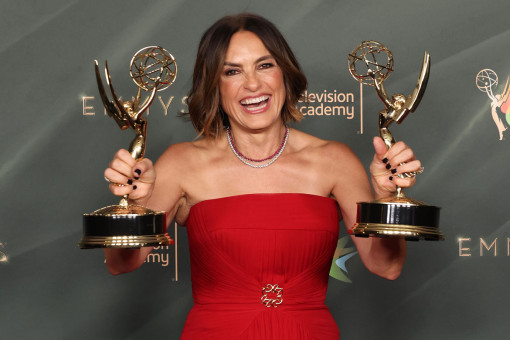
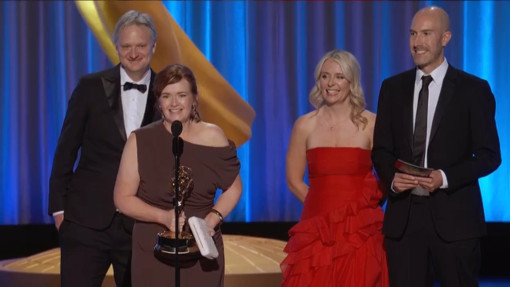
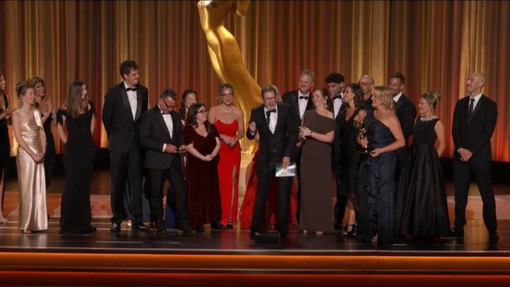
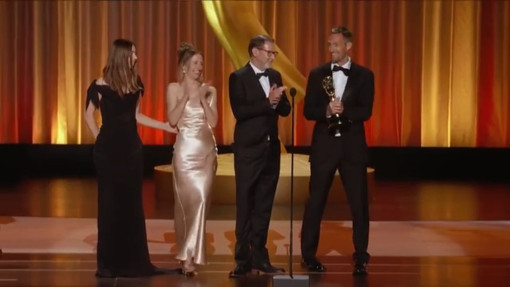
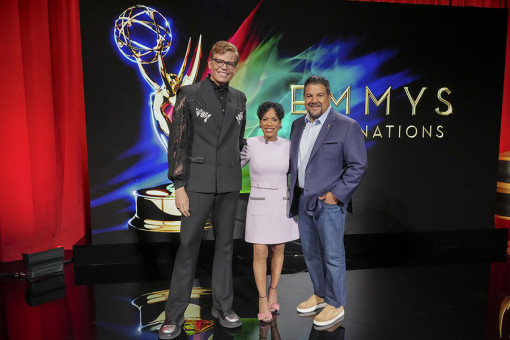
After two seasons in Australia, the series came stateside and has since won seven Emmys (two for Outstanding Unstructured Reality Program, plus three for casting, one for directing and one for picture editing). Cocreator, executive producer, director and casting director Cian O’Clery, whose voice we hear off camera, reflects on the show with emmy contributor Jacqueline Cutler.
Love on the Spectrum's Shelley and James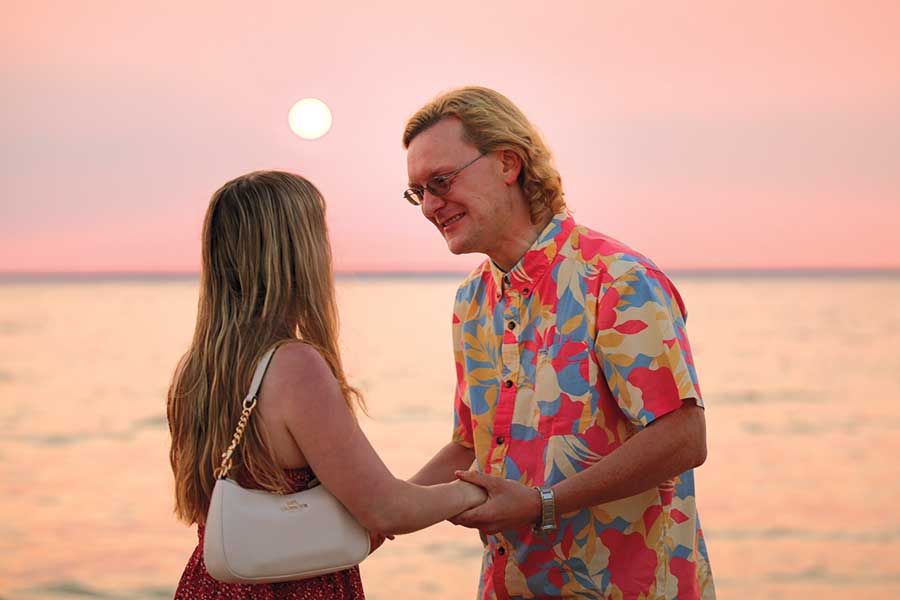
How did this show come about?
I was making a series, also with Northern Pictures, also with Karina Holden, who’s an EP as well. It was for the Australian public broadcaster, following people with disabilities looking for employment. During the casting process, we met so many people who are on the autism spectrum. A lot of them wanted something more than a job, which was to find love, and there wasn’t any support for that in Australia. We have a lot of support [that helps] people find employment in the disability space, but there wasn’t any support with dating and relationships. I thought, “This could be really interesting.” I’d worked in the dating space on traditional reality shows and was always drawn to the unique people and genuine people, not the Instagram models.
How is Love on the Spectrum different from other dating shows?
We’re not manufacturing anything. There’s no competition. The only thing we’re doing is finding matches for people and helping them meet that person, and then we follow what happens. We don’t drive any scenes with interviews. A lot of shows in the reality space will drive scenes via interviews shot later on. We only do one master interview with our participants, and it’s right at the beginning.
Do participants sign a contract promising they will be nice to each other?
We just end up casting participants who are kind, lovely people. When I watch other dating shows, I’m looking for conflict. But with our show, it’s a completely different viewing experience. You want people to succeed, and you want to support them, and yeah, there’s the kindness. It’s amazing that it has become so popular with audiences, given that we don’t have that conflict and drama that a lot of shows have.
Abbey and David in a scene from Love on the Spectrum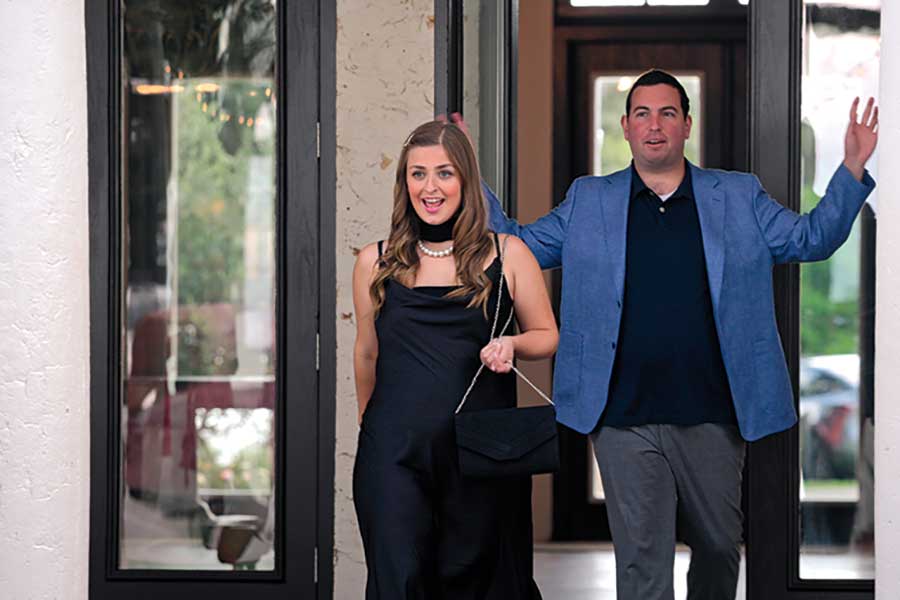
You and the crew are matchmakers. How do you pair people up?
We had to do that, because there was no service. A lot of the people we’re filming have never been on a date, so if we were to just film their dating journey, there wouldn’t be anything happening. It can be really hard for people in this community. It’s getting better, hopefully partly because of the series. The series has inspired lots of friendship groups, dating events and dating apps. How do we match people? First, we decide who we’re going to invite to be a part of the series, and then we just have to find people who might be a good match in their area.
Besides location, you factor in age, sexual orientation and where people are on the spectrum. What else do you look for?
Obviously, if someone’s in a big city, we’re going to have lots of people who could be a match. But then we’ll find someone in a small area, and we really need to do a targeted search. Probably the main thing, apart from age range, is just being on a similar wavelength, because the spectrum is diverse.
This article originally appeared in emmy Magazine, issue #3, 2026, under the title "Labor of Love."
Love on the Spectrum is now streaming on Netflix.