

Howard Gordon needed a break.
As an executive producer and showrunner of 24, he spent nearly a decade working around the clock (pun intended) to help deliver exactly two dozen meticulously crafted, ultra-tense episodes each season for Fox.
So, for his next TV project, he chose… another political thriller. But Homeland, which premiered October 2, 2011, on Showtime, allowed him to tackle the geopolitical, social and psychological fallout of the decade following 9/11 in ways broadcast television never could. “Once you’re unburdened by broadcast and by the rules of a story taking place in real time,” Gordon says, “everything changes.”
Adapted from the Israeli drama Prisoner of War, Homeland intrigued from the start: American POW Nicholas Brody (Damian Lewis) returns home after spending eight years in captivity, only for brilliant, bipolar CIA officer Carrie Mathison (Claire Danes) to suspect that he may have been turned into an Al-Qaeda sleeper agent. (The show’s original advertising line: “The nation sees a hero. She sees a threat.”) Is she right? Though the answer — a complicated yes— was revealed in a heart-stopping season finale, it fueled years of provocative drama that lasted through Homeland’s conclusion in 2020.
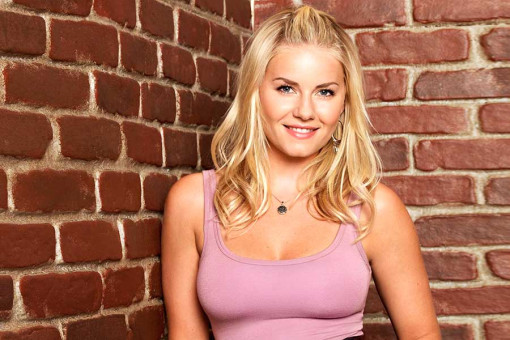
Homeland's Howard Gordon at a 2012 Television Academy event for the series. 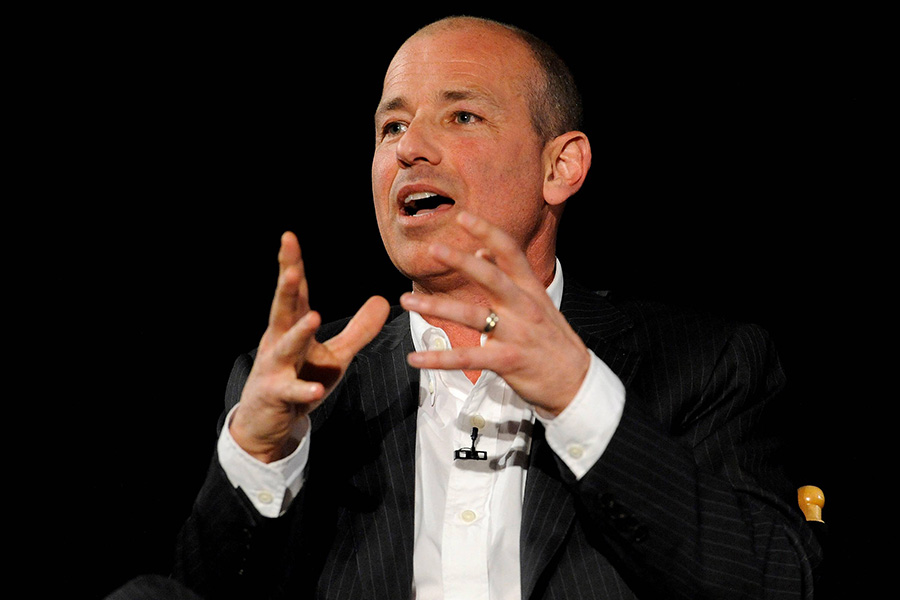
Despite its heady subject matter, Homeland was a ratings hit out of the gate. With 2.78 million viewers, it was Showtime’s highest-rated drama premiere in eight years at the time. It only grew from there, thanks to strong word of mouth. By its second year — which featured young Timothée Chalamet in one of his first roles — the series was so entrenched in the culture that Saturday Night Live hilariously spoofed it. (Host Anne Hathaway played a blubbering version of Carrie). As for its official honors: eight Emmy Awards, including Outstanding Drama Series in 2012.
“Homeland allowed us to ask ourselves some hard questions as Americans and as human beings after 9/11,” explains Gordon, who developed the show with fellow 24 writer and EP Alex Gansa. “We really wanted people to think about our relationship to the rest of the world.”
Below, Gordon looks back on the show’s legacy and the challenges and rewards of moving from network to cable.
Television Academy: How difficult was it to pivot from 24 to Homeland?
Howard Gordon: I couldn’t not get 24 out of my bones — it becomes the way you think about and write story. It required a little bit of consciously unwinding a way of storytelling. I remember that David Nevins [then-president of entertainment at Showtime Networks] told me, “Take your 24 training, but only apply it to a point. Let it breathe.” That’s what cable allows.
But [Homeland] was still a thriller. And though Carrie was very different from [24's] Jack Bauer, she was kind of born from Jack’s rib. But Alex and I knew we had a character who was our hero.
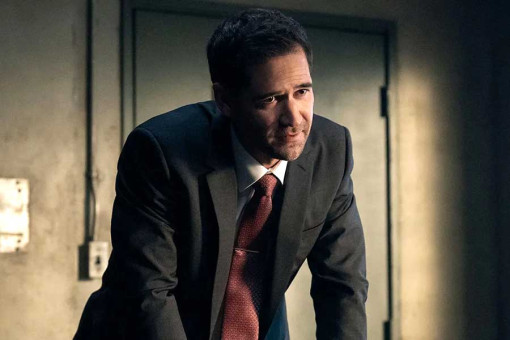
Homeland stars Claire Danes and Damian Lewis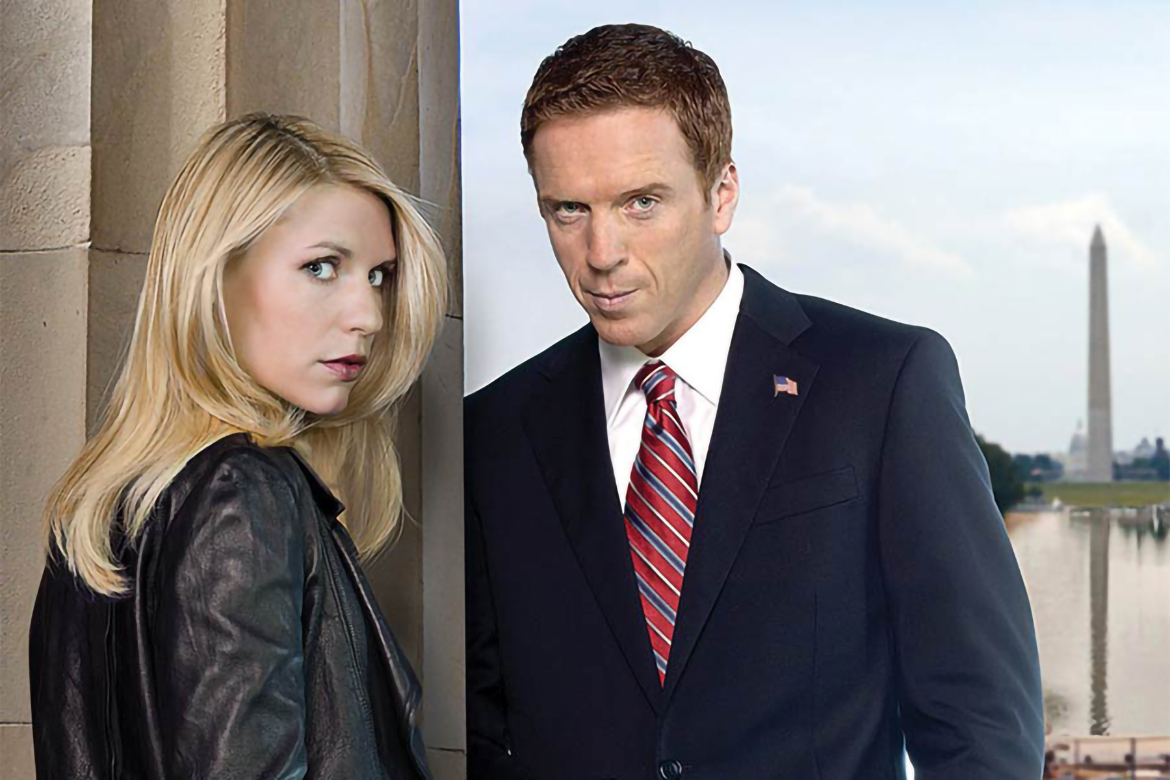
Did Damian and Claire have a chemistry read?
No. In fact, the episode when they had their first real big scene together was episode four. I remember being in the office with Alex, watching dailies — we didn’t really know what they were like together beforehand because they only had this [brief] scene with each other in the first episode. But when we saw them in that moment from episode four, we could tell instantly we had the show. For the show to work, they had to work together.
How did you land on Damian for that role?
Everybody had their own idea of what this character looked like — and how he behaved — because every single action had to accommodate the possibility that he was who Carrie believed he might be. At the same time, he had to credibly intimate that he was an American hero. He had to have enough subtle moments.
We saw this [2004] movie called Keane. The camera was on [Damian’s] face for the first 30 minutes, and he just held the camera so incredibly that at that moment we just said, “He is the guy.” It turned out this British actor was the best, and he had his work on Band of Brothers. He's formidable. We made a very, very good choice.
Did you decide early on that Brody really was turned?
How do I phrase this... It was not that Carrie had to be right. The big epiphany in the writers' room was: Can you press the button if he's a terrorist? Had he been turned? Once we recognized, “Oh my God, he is,” the question became how we could write it. But we always kind of knew he was working for the enemy.
The obvious comparison was The Manchurian Candidate, but we didn't want something as cheesy as indoctrination or brainwashing. We had to find a really convincing story, and a human one, that ultimately hung on Brody's patriotism. From there, we wrote a story that he had bonded with [terrorist] Abu Nazir's son and tutored him. But because of an American drone attack, the boy was killed. So he had a very personal reason; he thought there was an injustice. Ultimately, you realize that war creates a barbarism that makes you question the very reason you went to war in the first place.
When we found that simple narrative — which may seem simple, but it wasn't so easy — we mined it for quite a while. It was a very intuitive process about when and how much we would turn over each card until we finally knew that Brody was [turned].
Were you surprised at the show’s popularity off the bat?
It was really surprising. I didn’t know anyone would be interested in it. If anything, I thought we were exhausted by the endless stream of bad news. I was worried that would actually affect our audience. I was obviously thrilled and totally taken aback by how powerfully people received the show.
What did you make of the SNL sketch?
I think I saw it after the fact. Look, you know you’ve hit the zeitgeist when you're lampooned on SNL. So yeah, that was fun. Though I'm not sure the actors all loved how they were portrayed.
Timothée Chalamet and Morgan Saylor in a scene from Homeland.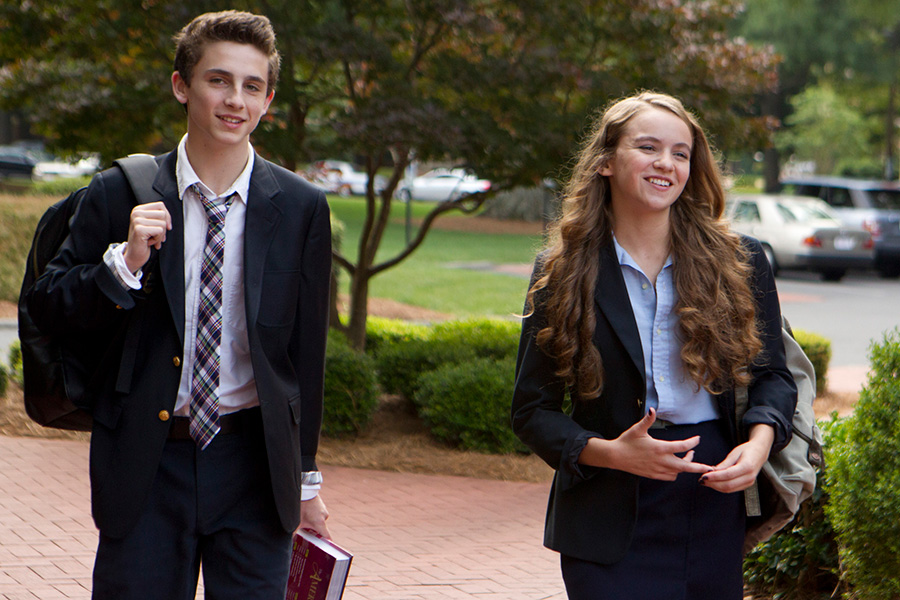
What’s the story on the Timothée Chalamet casting? Did he audition?
I knew his mother a little bit, who is a dancer. A friend of mine from college, who was also a dancer, knew her. I knew that she had a son named Timothée, who went to LaGuardia [High School], who was this wonderful child actor. I don’t think I can take any sort of credit, except to say he was a very talented young man who wound up being cast as the vice president's son. It’s funny: My youngest son just started watching it for the first time, and we saw the scenes with Timmy. He was really good.
Homeland lasted eight seasons. How did you know when to end it?
We got a three-year renewal in year five. We had a very conscious talk with David Nevins about how much longer the show would air, and we came up with three more seasons. And it wasn't based on the fact that we knew what those three seasons would be; it was just an intuition we would have this story to tell.
At some level, it's a little bit like a haiku or a sonnet — you have these parameters, and then you let your creative unconscious fill the canvas that you're given. If you can only paint with red and blue, you find what to do with the red and blue. So we began to think about the aperture effect.
What was the biggest creative gamble you took over the course of the series?
Killing off Brody [in the season three finale]. We always knew we would. Alex and I initially thought that we would do it in season one, but we were allowed to slow it down. And once the power of that love story with Carrie took root, there was a tremendous temptation to keep him even longer. But I think that would have been a mistake. It was time for that story to end.
This interview has been edited for length and clarity.
Homeland is streaming now on Paramount+.